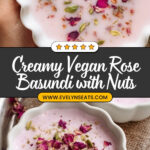

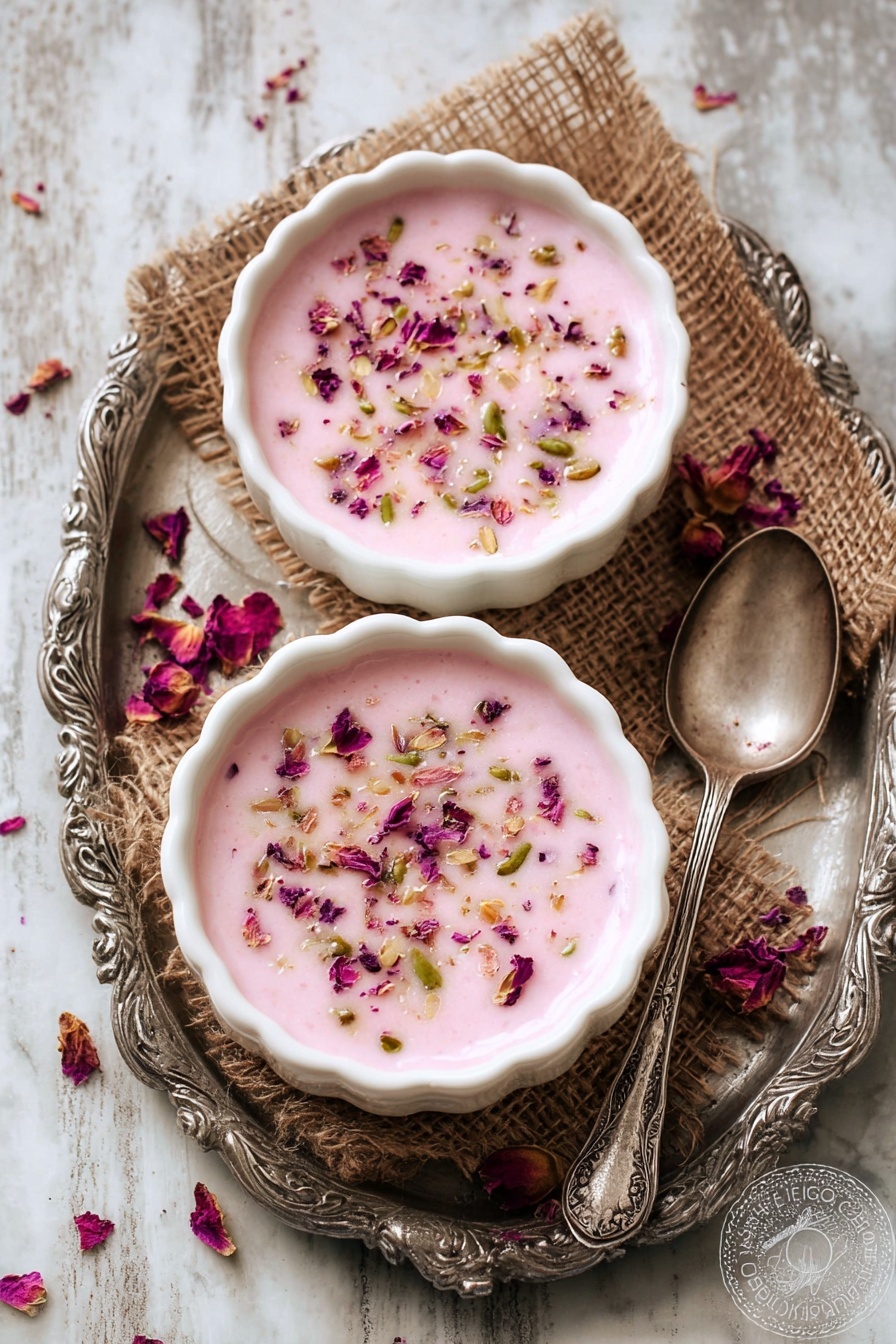
If you’re on the lookout for a dessert that’s both comforting and a bit fancy, you’re going to adore this Vegan Rose Basundi Recipe. It’s creamy, delicately floral, and outrageously satisfying—perfect for when you want to impress or just treat yourself after a long day. I absolutely love how it turns out silky smooth with a subtle nutty crunch, and I can’t wait to share all my best tips so you nail it every single time.
Why You’ll Love This Recipe
- Rich Vegan Creaminess: Made with coconut milk and vegan creamer, it feels indulgent without dairy.
- Elegant Floral Notes: The rose syrup and rose water add a gorgeous, delicate aroma that’s unforgettable.
- Nutty Texture Contrast: Roasted cashews, almonds, and pistachios bring a delightful crunch and depth.
- Simple Yet Impressive: With a handful of ingredients and a bit of love, you get a restaurant-quality dessert at home.

Ingredients You’ll Need
This Vegan Rose Basundi Recipe is all about balancing creamy coconut, fragrant roses, and toasted nuts. You’ll want to use good quality coconut milk and fresh vegan creamer for the best texture, and sourcing pure rose syrup makes a noticeable difference in flavor.
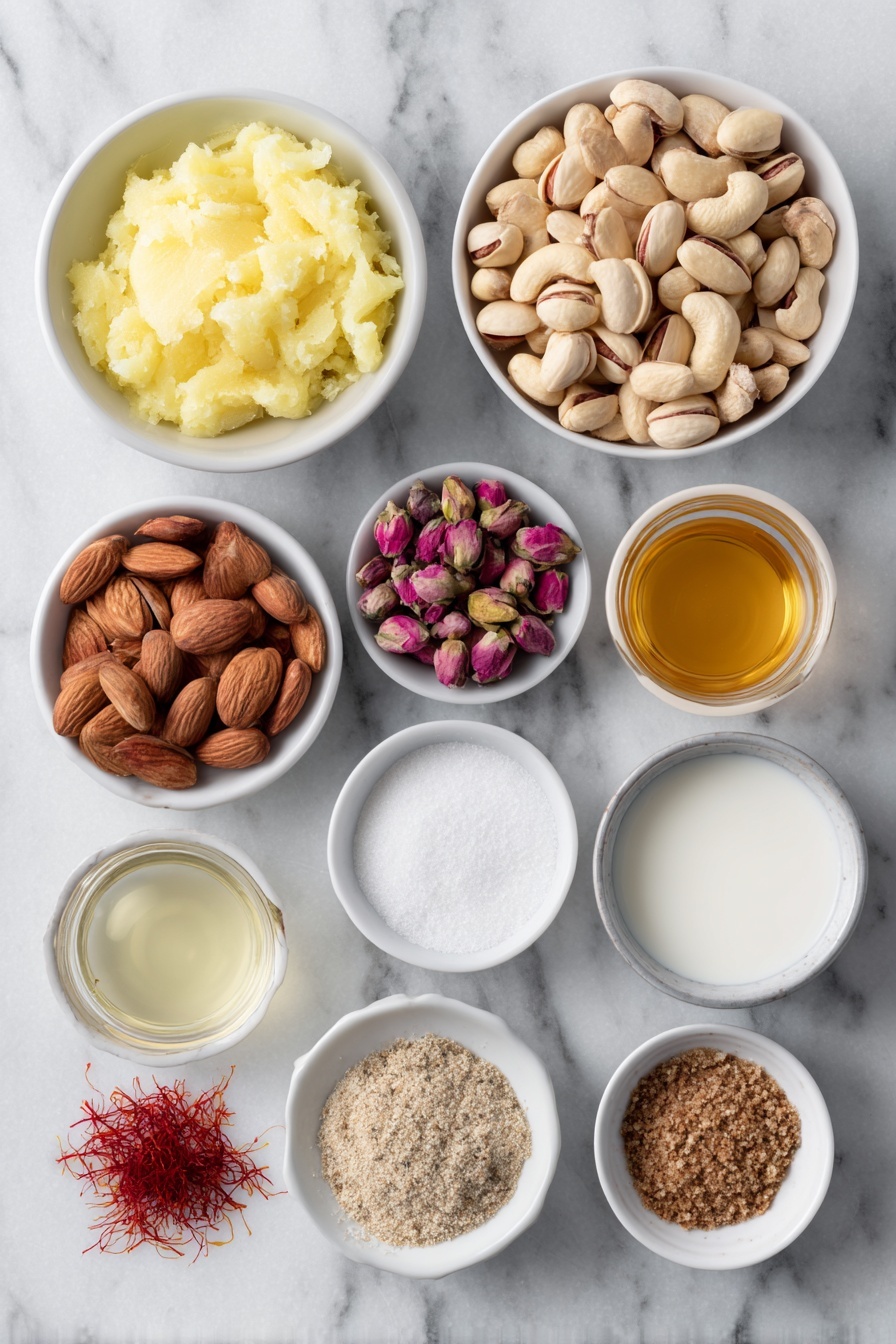
- Vegan ghee: Adds a buttery richness without dairy—perfect for roasting nuts.
- Cashews: These give a smooth crunch when lightly toasted.
- Almonds: I like using sliced or chopped almonds to mix textures.
- Slivered pistachios: Their unique flavor and green color brighten the dish.
- Canned coconut milk: Use full-fat for that indulgently creamy base.
- Vegan creamer: It helps thicken the basundi and rounds out flavor.
- Saffron: Just a little for color and subtle floral warmth.
- Sugar: Sweetens the dessert perfectly without overpowering rose notes.
- Rose syrup: The soul of this basundi; quality makes or breaks the final taste.
- Rose water: Used at the end for a fresh burst of aroma.
- Cardamom powder: Adds warming spice to complement the roses.
- Ground nutmeg: A hint of earthiness for depth.
- Edible rose petals: For the pretty garnish and extra floral touch.
Variations
I’ve played around with this Vegan Rose Basundi Recipe in a few ways, and honestly, it’s quite forgiving—make it your own! Whether you want it richer, nuttier, or toned down on sweetness, there’s room to tweak and still end up with something delicious.
- Nut Powder Version: I sometimes grind the nuts into a powder instead of chopping for a velvety, smooth basundi when I’m serving it to picky eaters or those who prefer no chunkiness.
- Dried Fruits Addition: Adding raisins or chopped dried apricots can lend extra sweetness and chewiness that my family adores during the holidays.
- Chironji Nuts: When I can find fresh chironji (chiroli), I toss them in for a unique texture and flavor that reminds me of traditional recipes I grew up with.
- Reduced Sugar: For a lighter treat, cut back the sugar slightly and enjoy the natural sweetness from the nuts and coconut milk.
How to Make Vegan Rose Basundi Recipe
Step 1: Toast the Nuts to Perfection
Start by chopping your cashews, almonds, and pistachios. I love using a nut chopper because it gives you even-sized pieces that roast evenly and look pretty in the final dish. Heat a teaspoon of vegan ghee in a small pan, then toss in the chopped nuts and fry them for just about 30 seconds, stirring constantly. You want them to get a light golden color and release that nutty aroma—trust me, your kitchen will smell amazing right here! Be careful not to burn them because that bitter flavor will carry through the basundi.
Step 2: Create the Creamy Base
Now for the silky heart of the Vegan Rose Basundi Recipe. Using the same pan to keep those nutty flavors, pour in full-fat coconut milk along with the vegan creamer. Give it a good whisk so there are no lumps—this makes a big difference in the final texture. Turn on medium heat and bring it to a gentle boil. Patience is key here; it usually takes around 15 minutes for the mixture to start thickening. Stir often and scrape the sides so nothing sticks or burns. This slow simmer helps develop that rich, creamy consistency that basundi is known for.
Step 3: Sweeten and Thicken
Once your base starts bubbling and thickening slightly, go ahead and add the sugar. This will melt down and infuse the mixture with sweetness. Keep cooking on a low to medium flame for another 5 minutes while stirring steadily. You’ll notice the texture becoming a little denser and the color shifting to a warm cream shade. This stage is where you can really tell if it’s coming together beautifully. If it feels too thick, a splash of coconut milk can rescue it.
Step 4: Add the Nuts and Spice It Up
Return the toasted nuts to the pan, reserving some for a garnish later. Keep the heat low-medium and cook the mixture for about 10 more minutes, stirring often. This lets the nuts soak up the flavors and softens them slightly—my family loves this chewy texture contrast. After taking the pan off the heat, stir in the rose water, cardamom powder, and a tiny pinch of ground nutmeg. This final step seals in the complex floral and warming spice notes that make this Vegan Rose Basundi Recipe so special.
Step 5: Serve and Garnish
You can enjoy this basundi warm right away, but I often chill it for a couple of hours before serving because the flavors really deepen and the texture firms up to a luscious creaminess. Just before serving, drizzle rose syrup on top and scatter some edible rose petals and reserved nuts for a beautiful, fragrant finish. It’s a total show-stopper!
Pro Tips for Making Vegan Rose Basundi Recipe
- Use a Heavy-Bottomed Pan: This helps distribute heat evenly and prevents scorching, which I unfortunately learned the hard way!
- Patience Is Your Best Friend: Don’t rush thickening—slow simmering yields that perfect creamy texture everyone raves about.
- Fresh Rose Ingredients Matter: I’ve found that fresher rose water and rose syrup dramatically elevate the fragrance and flavor.
- Keep Stirring Regularly: Scrape the sides often to avoid any burnt bits, which can ruin the sweetness and texture.
How to Serve Vegan Rose Basundi Recipe
Garnishes
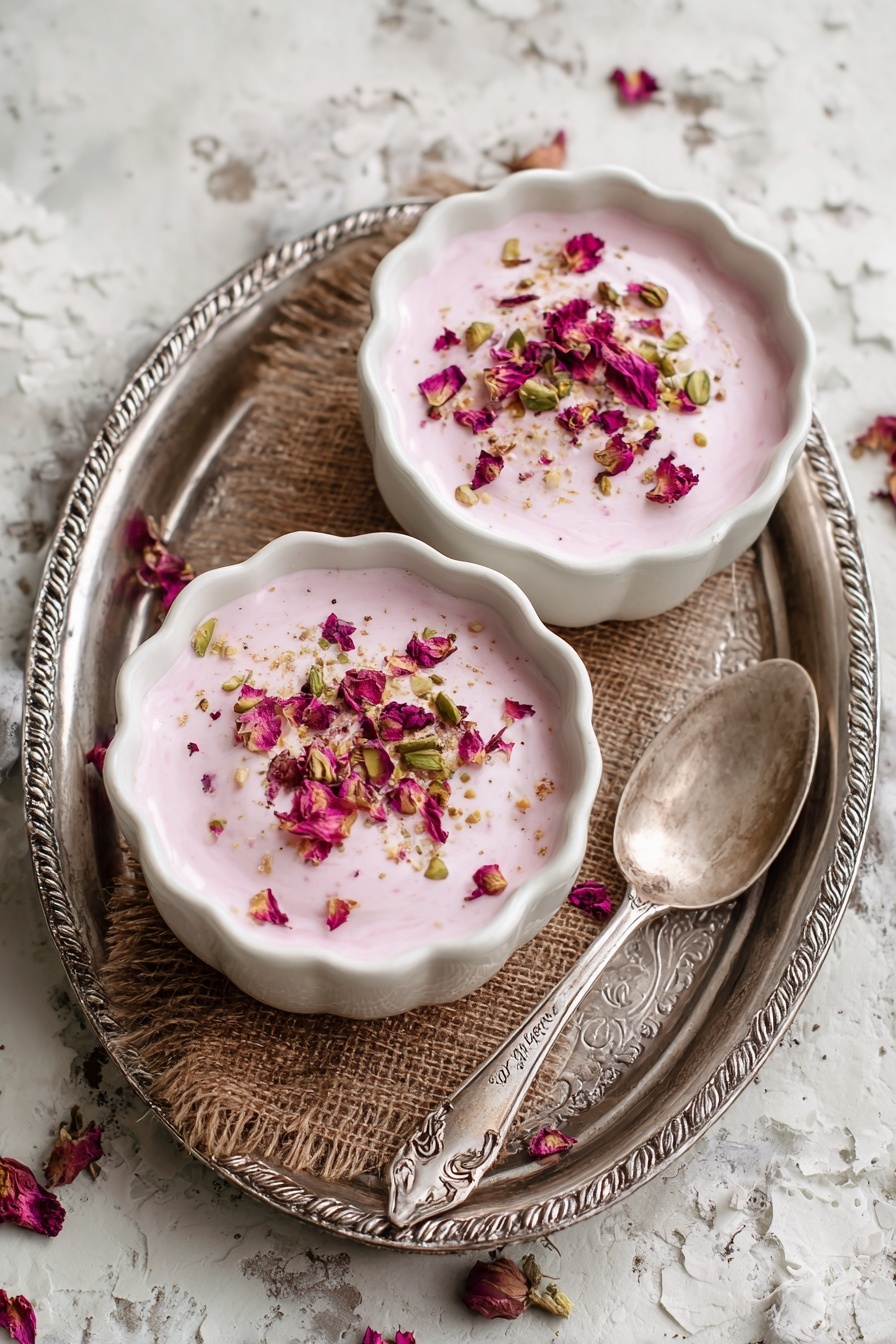
I always top mine with a drizzle of rose syrup, which gives it that extra floral punch and a shiny glaze. Then, a handful of edible rose petals and a sprinkle of reserved roasted nuts make it look spectacular—and, yes, taste even better. These garnishes really amp up the wow factor when serving guests.
Side Dishes
This basundi pairs beautifully with light snacks like crispy poha or millet ladoos for a festive spread. Personally, I love serving it alongside soft roti or naan when it’s part of a grand meal—it’s a nice sweet finish that doesn’t feel heavy.
Creative Ways to Present
For special occasions, I’ve poured the basundi into pretty glass cups or mini clay pots and garnished with a single rose petal and a tiny pistachio on top. Adding edible gold leaf is also a fun touch if you’re feeling fancy. Presentation makes eating it feel like a ceremony!
Make Ahead and Storage
Storing Leftovers
I usually store leftover basundi in an airtight glass container in the fridge. It keeps well for up to 4 days, and honestly, the flavor often improves as it sits. Just remember to give it a good stir before serving again.
Freezing
While I haven’t frozen it myself, I’ve heard basundi can be frozen in small portions. If you try this, thaw it slowly in the fridge and stir well to recombine the creaminess that may separate.
Reheating
Reheating is simple—just warm the basundi gently on low heat, stirring frequently. Adding a little coconut milk or vegan creamer if it feels too thick helps bring back that fresh creaminess. Avoid boiling again, or you risk changing the texture.
FAQs
-
Is this Vegan Rose Basundi Recipe completely dairy-free?
Yes! This recipe uses coconut milk and vegan creamer, with vegan ghee as a butter alternative, making it entirely plant-based without any dairy ingredients.
-
Can I make this basundi without nuts?
Absolutely, though nuts add important texture and flavor. If you need to skip nuts, consider adding dried fruits or seeds to maintain some depth and interest.
-
How long does it take to make this Vegan Rose Basundi Recipe?
The total time is about 35 minutes—5 minutes prepping nuts and ingredients, and roughly 30 minutes simmering and thickening the basundi to a luscious consistency.
-
What if I can’t find rose syrup or rose water?
Rose syrup and rose water are key for authentic flavor, but if you can’t find them, try infusing vanilla extract or orange blossom water as substitutes, though the taste will be different.
-
Is it better to serve vegan rose basundi hot or cold?
You can enjoy it both ways! Warm basundi is cozy and comforting, whereas chilling it lets flavors blend beautifully, and the texture firms up for a thicker, creamier dessert.
Final Thoughts
This Vegan Rose Basundi Recipe is one of those special desserts that balances simplicity with elegance. I remember the first time I made it—it felt like creating a little fragrant treasure right in my kitchen. Whether you’re vegan or just looking to try something new and luscious, this recipe is a winner. Give it a go—you’ll love how easy it is and the happy smiles it brings around your table!
Print
Vegan Rose Basundi Recipe
- Prep Time: 5 minutes
- Cook Time: 30 minutes
- Total Time: 35 minutes
- Yield: 6 servings
- Category: Dessert
- Method: Stovetop
- Cuisine: Indian
- Diet: Vegan
Description
This Delicious Rose Basundi Recipe is a creamy, vegan Indian dessert made by simmering coconut milk and vegan creamer with fragrant spices, nuts, and rose flavors. It’s a rich and aromatic treat perfect for any festive occasion or to enjoy chilled as a refreshing dessert.
Ingredients
Dry Fruits and Nuts
- 1 teaspoon vegan ghee
- 2 tablespoons cashews, chopped
- 2 tablespoons almonds, chopped
- 2 tablespoons slivered pistachios, chopped
Base
- 13.5 fl.oz canned coconut milk (full-fat)
- 2 cups vegan creamer
Flavorings & Sweeteners
- 1 teaspoon saffron
- ½ cup sugar
- 2 tablespoons rose syrup
- ½ tablespoon rose water
- ¼ teaspoon cardamom powder
- ⅛ teaspoon ground nutmeg
- 1 tablespoon edible rose petals (for garnish)
Instructions
- Chop Nuts and Roast: Use a nut chopper to chop the cashews, almonds, and pistachios. Heat the vegan ghee in a small pan over medium heat and fry the chopped nuts for about 30 seconds until lightly toasted. Remove from heat and set aside on a plate.
- Prepare Basundi Base: In the same pan, pour the canned full-fat coconut milk and vegan creamer. Whisk thoroughly to break any lumps and ensure a smooth mixture. Bring this mixture to a boil over medium heat, then reduce to low-medium flame. This simmering process will take approximately 15 minutes.
- Simmer and Sweeten: Stir the mixture regularly and scrape the pan sides to prevent scorching. Once the mixture starts to thicken slightly and become creamy, add the sugar. Continue cooking and stirring for another 5 minutes, allowing the Basundi to reduce further and thicken.
- Add Nuts and Continue Cooking: Incorporate the roasted nuts into the Basundi, reserving some to garnish later. Cook the mixture on a low-medium flame for an additional 10 minutes, stirring occasionally to maintain even cooking and prevent sticking.
- Finish with Flavors: Remove the pan from heat. Stir in rose water, cardamom powder, and ground nutmeg for fragrant and floral notes. Mix thoroughly to combine all the flavors well.
- Serve: The basundi can be enjoyed warm immediately or chilled for a refreshing dessert. Before serving, garnish with reserved roasted nuts, edible rose petals, and drizzle with rose syrup for added aroma and presentation.
Notes
- For a smooth texture, especially for kids or those preferring no chunks, use nut powders instead of chopped nuts.
- To enhance richness and authenticity, consider adding raisins, fresh chironji (chiroli seeds), or other dried fruits.
- Cooking times may vary depending on your cookware and heat levels; monitor the mixture closely to achieve the perfect creamy consistency without burning.
Nutrition
- Serving Size: 1/6 of recipe (~150g)
- Calories: 230 kcal
- Sugar: 15 g
- Sodium: 15 mg
- Fat: 18 g
- Saturated Fat: 14 g
- Unsaturated Fat: 3.5 g
- Trans Fat: 0 g
- Carbohydrates: 16 g
- Fiber: 1.5 g
- Protein: 4 g
- Cholesterol: 0 mg