

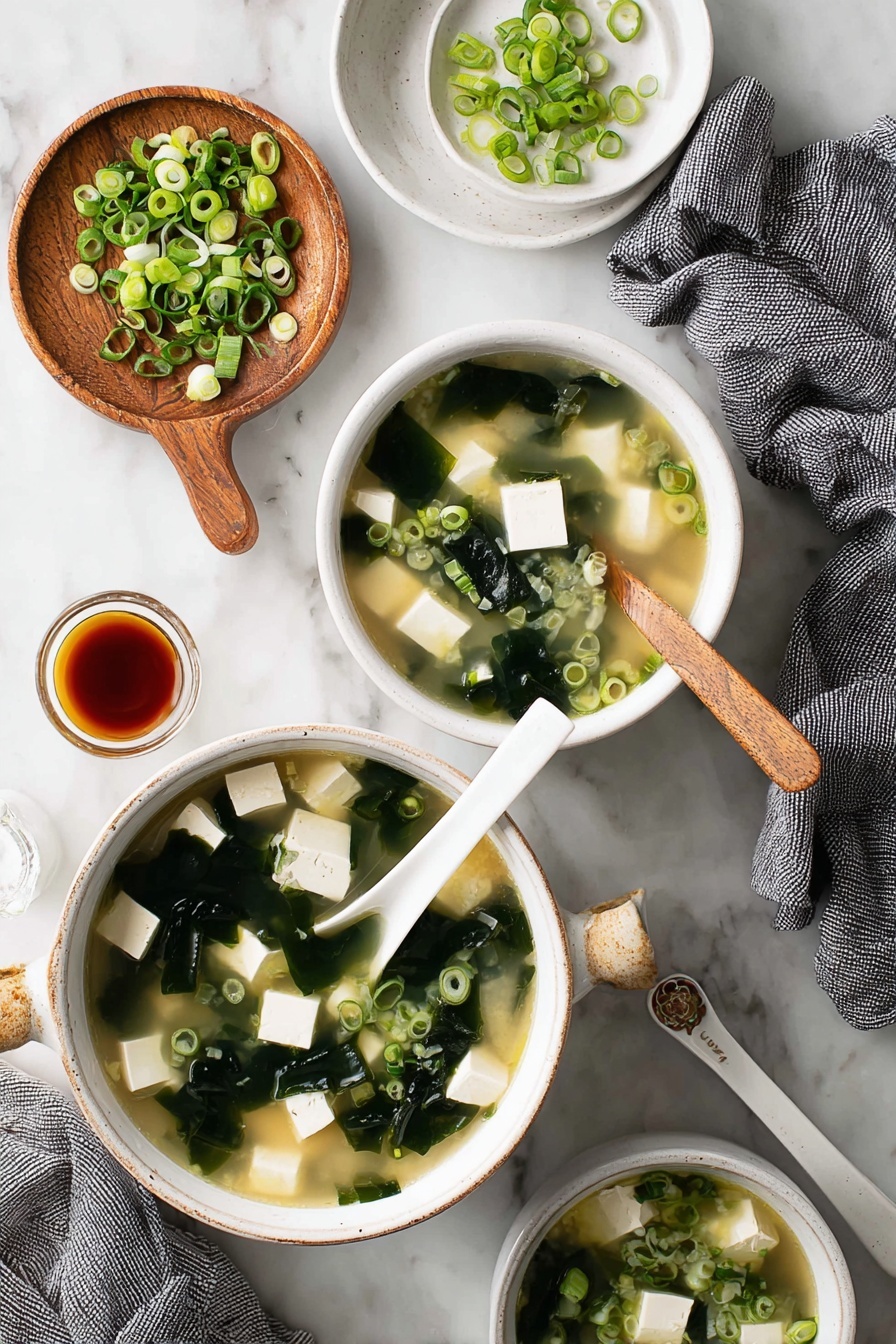
There’s something incredibly soothing about a warm bowl of miso soup on a chilly day, and today I’m sharing my absolute favorite Miso Soup with Seaweed and Tofu Recipe that you can whip up in just about 20 minutes. I love this recipe because it’s simple, packed with flavor, and feels like a little hug in a bowl. Whether you’re new to Japanese cooking or a seasoned pro, this soup will quickly become one of your go-to comfort foods.
Why You’ll Love This Recipe
- Start to Finish in 20 Minutes: Perfect for busy weeknights when you want something fast but nourishing.
- Healthy and Light Yet Satisfying: Silken tofu and seaweed bring protein and minerals without weighing you down.
- Customizable Flavors: Easily adjust saltiness with tamari and add your favorite garnishes for a personalized touch.
- Authentic But Approachable: Combines traditional ingredients accessible even if you’re not used to Japanese cooking.

Ingredients You’ll Need
These ingredients work together like a dream, creating a savory and umami-packed broth that feels both comforting and fresh. When I shop for this miso soup, I always pick kombu and wakame from Asian markets or reputable online stores, since quality really shows in the final soup. And don’t worry—white miso paste is widely available now, and it gives just the right mild sweetness.
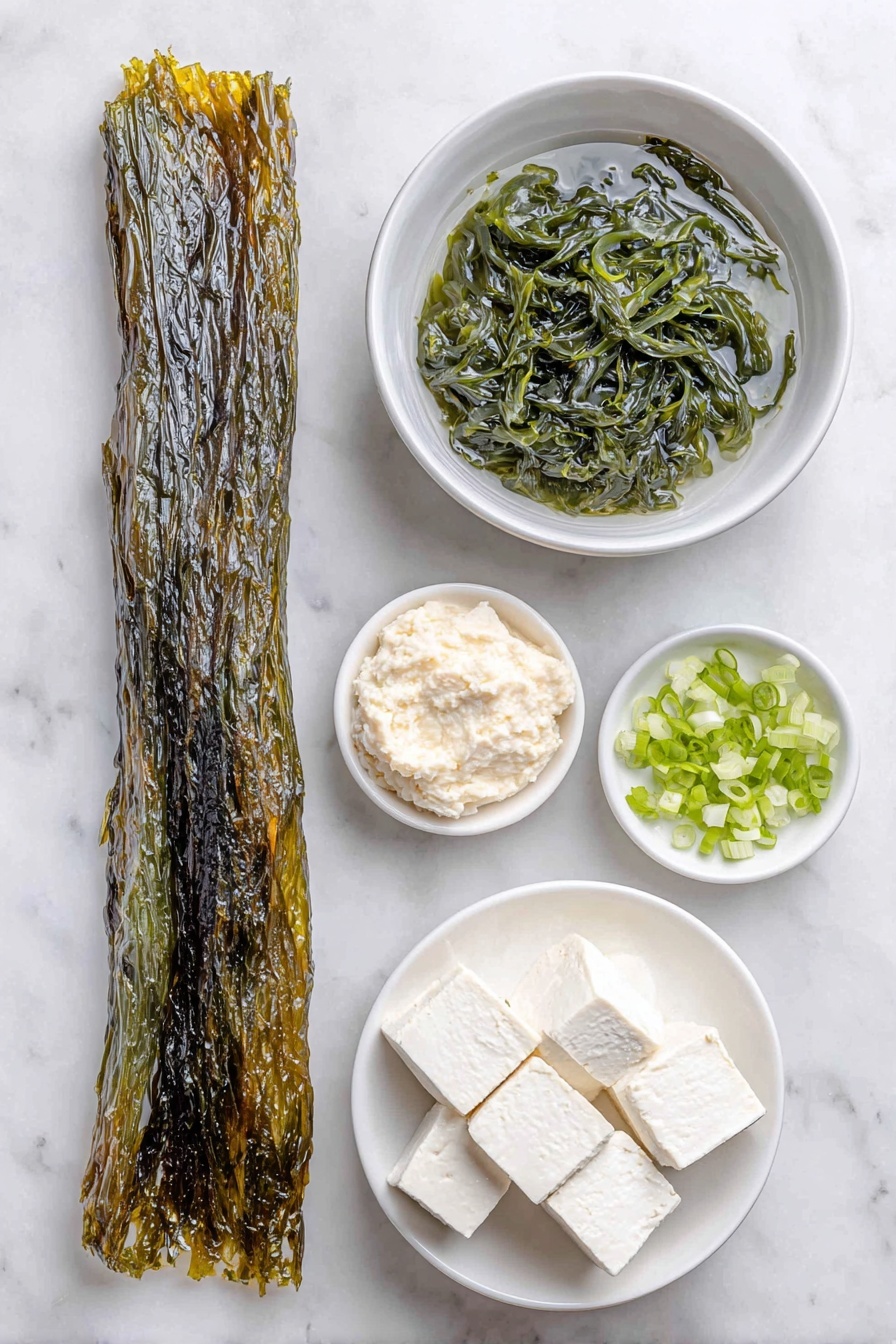
- Kombu: This dried kelp is the heart of your broth, lending a subtle ocean flavor that’s essential for that authentic miso soup taste.
- Water: The base for your dashi broth—simple but important, as good water makes better soup.
- Wakame dried seaweed: Rehydrates beautifully and adds wonderful texture and a burst of marine goodness.
- White miso paste: The soul of the soup—mild, slightly sweet, and savory. Look for pastes labeled “shiro miso” for the best flavor balance.
- Green onion: Adds a fresh, gentle onion punch that brightens the soup right before serving.
- Silken tofu: Soft and tender, it soaks up flavors and provides a lovely protein boost to the soup.
- Tamari: A gluten-free soy sauce alternative that helps you season the soup just right at the end.
Variations
I’ve found that miso soup is endlessly adaptable, so I encourage you to experiment and make it your own. Adding different greens or using varying tofu textures makes each pot a little unique. If you’re cooking for someone with dietary needs, there are easy swaps you can make without losing that comforting essence.
- Add Mushrooms: I sometimes toss in shiitake slices for an earthier depth, and my family really enjoys the extra umami.
- Use Firm Tofu: If you prefer a bit more bite, firm tofu works great—but silken tofu gives that luscious, melt-in-your-mouth feel I love.
- Spicy Kick: For a little heat, a dash of chili oil or a sprinkle of shichimi togarashi on top is fantastic.
- Vegetable Boost: Baby spinach or thinly sliced carrots can add color and nutrition without changing the flavor profile much.
How to Make Miso Soup with Seaweed and Tofu Recipe
Step 1: Gently Prepare Your Kombu Broth
Start by giving your kombu a quick rinse to remove any surface dust. Then place that beautiful 3-inch piece into a pot with 4 cups of cold water. Here’s where patience pays off—heat it gently to just below simmering, around 140-160°F (60-70°C), and let it steep for 10 minutes. The trick here is to avoid boiling, which can make the broth bitter. You’ll notice a subtle ocean aroma filling your kitchen, and that’s your kombu releasing its magic.
Step 2: Rehydrate the Wakame Seaweed
Place the dried wakame in a small bowl and cover it with warm water for at least 5 minutes. This makes the seaweed plump and tender rather than tough or chewy. I like to let it soak longer if I’m prepping ahead—it keeps really nicely covered in the fridge.
Step 3: Mix Miso Paste into the Broth
Remove the kombu from your now flavorful broth (you don’t want it lingering too long). Ladle a small amount of the hot broth into a bowl and whisk in your white miso paste until smooth—this prevents clumps and ensures a silky finish. Then stir that mixture back into the pot. Keep the heat very low or turn it off here—miso loses its probiotics if boiled.
Step 4: Add Wakame, Tofu & Green Onions
Drain your wakame well and add it to the soup along with cubed silken tofu and chopped green onions. Let it gently warm up over low heat for a minute or two—just enough for the flavors to meld and the tofu to heat through without falling apart. Then taste and season with tamari to your liking; I usually start with a teaspoon and adjust from there.
Pro Tips for Making Miso Soup with Seaweed and Tofu Recipe
- Gentle Heat is Key: Always avoid boiling after adding miso paste to keep the flavor mellow and the nutrients intact.
- Use Silken Tofu for Creaminess: I discovered this trick after several tries; silken tofu adds such a light texture that firm tofu can’t match.
- Soak Wakame Properly: Don’t rush this step—rehydrating wakame fully prevents it from getting stringy or rubbery in your soup.
- Taste Before Salting: Since miso and tamari are salty, add seasonings slowly to avoid over-salting your soup.
How to Serve Miso Soup with Seaweed and Tofu Recipe
Garnishes
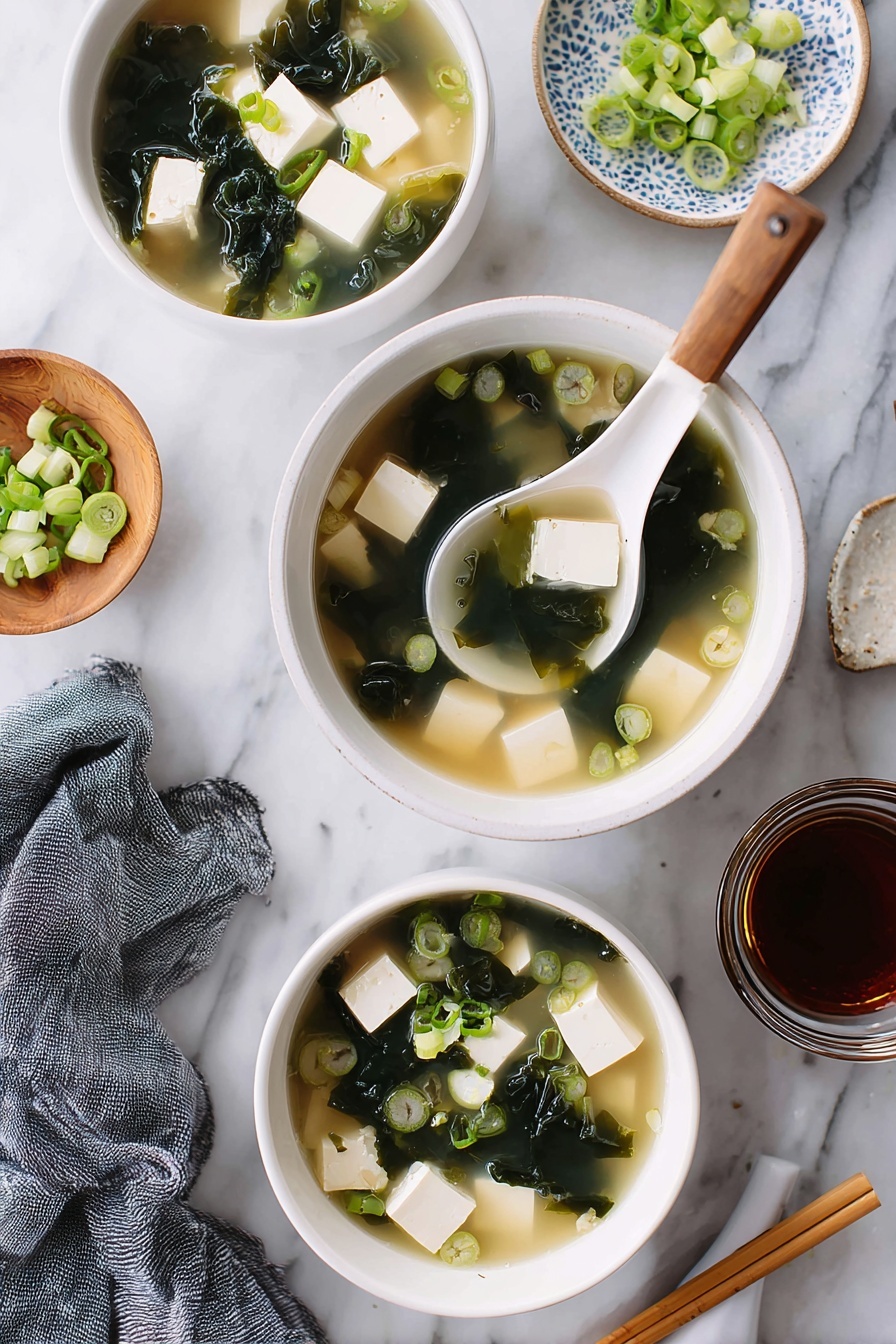
I love topping my miso soup with a sprinkle of finely sliced green onions for freshness and a few sesame seeds for a bit of extra nuttiness. Sometimes I add a tiny pinch of shichimi togarashi if I want a little gentle heat. These simple garnishes make the soup feel extra special without complicating the flavors.
Side Dishes
When I serve this miso soup, it often comes alongside a bowl of steamed rice and maybe a Japanese cucumber salad for crunch and tang. It’s a perfect light lunch or a starter for an Asian-inspired dinner with grilled fish or teriyaki veggies. The delicate soup balances out richer mains beautifully.
Creative Ways to Present
For special occasions, I like to ladle this soup into pretty ceramic bowls and float edible flowers or tiny sprigs of fresh herbs like mitsuba or cilantro on top. It instantly makes the experience feel elevated, and trust me, it will impress your guests just as much as it delights your tastebuds!
Make Ahead and Storage
Storing Leftovers
I usually store leftover miso soup in an airtight container in the fridge for up to 2 days. Just keep the tofu submerged in the broth to prevent it from drying out. It reheats quickly and doesn’t lose much of its charm if you’re careful on the heat.
Freezing
Personally, I avoid freezing miso soup because the tofu’s silky texture tends to get crumbly after thawing. If you want to freeze the broth, separate it from the tofu and wakame before freezing, then add them fresh when reheating.
Reheating
To keep the best taste, reheat gently on the stove over low heat and stir occasionally. Avoid boiling to preserve the miso’s complex flavors and the tofu’s delicate texture. If needed, add a splash of water or broth to refresh the soup.
FAQs
-
Can I use other types of miso paste in this Miso Soup with Seaweed and Tofu Recipe?
Absolutely! While white miso (shiro miso) gives a mild and slightly sweet flavor, you can experiment with red miso or mixed miso for a deeper, richer taste. Just remember that stronger miso varieties will add more saltiness and umami, so adjust your tamari seasoning accordingly.
-
Is it necessary to use kombu for the broth?
Kombu is traditional and imparts a distinctive umami note to the broth, but if you can’t find it, you can substitute with a store-bought dashi powder or make a simple broth with shiitake mushrooms. The flavor will be a bit different, but your soup will still be delicious!
-
How do I make sure the tofu doesn’t fall apart in the soup?
Using silken tofu means the texture is very delicate, so handle it gently. Add it at the final step and warm it slowly over low heat just until heated through. Stir minimally and avoid boiling once tofu is in the pot to keep it from breaking apart.
-
Can I make this soup vegan?
This recipe is essentially vegan as long as you use a plant-based miso paste (most miso is vegan) and avoid using fish-based dashi. Using kombu and dried shiitake for broth will keep it fully plant-based, and the tofu seaweed combo is a great vegan protein source.
Final Thoughts
This Miso Soup with Seaweed and Tofu Recipe holds a little place in my heart because it’s my go-to whenever I want something quick, warm, and nourishing. I hope you enjoy making this soup as much as I do—it’s simple, satisfying, and invites you to slow down and savor the little things. Give it a try next time you want cozy comfort in a bowl, and I bet it’ll become a staple in your recipe collection too!
Print
Miso Soup with Seaweed and Tofu Recipe
- Prep Time: 8 minutes
- Cook Time: 12 minutes
- Total Time: 20 minutes
- Yield: 4 servings
- Category: Soup
- Method: Stovetop
- Cuisine: Japanese
- Diet: Gluten Free
Description
A traditional and comforting Japanese miso soup featuring kombu broth, wakame seaweed, silken tofu, and green onions, perfect as a light appetizer or side dish.
Ingredients
Broth
- 1 (3-inch) piece kombu
- 4 cups water
Soup Ingredients
- 3 tablespoons dried wakame seaweed
- ¼ cup white miso paste
- ⅓ cup chopped green onion
- 6 ounces silken tofu, cubed
- Tamari, to taste
Instructions
- Prepare Kombu Broth: Gently rinse the kombu piece to remove any dirt. Place it in a medium pot with 4 cups of water and gently simmer for 10 minutes. Be careful not to let the water boil as boiling can cause the kombu to impart a bitter flavor.
- Rehydrate Wakame: In a small bowl, soak the dried wakame seaweed in warm water for at least 5 minutes until it softens and rehydrates.
- Remove Kombu and Incorporate Miso: Remove the kombu piece from the pot. In a separate small bowl, mix the white miso paste with a small amount of the hot broth until smooth. Stir this miso mixture back into the soup pot carefully, ensuring the broth stays warm but does not boil to preserve the flavor and probiotics.
- Add Wakame, Tofu, and Green Onions: Drain the rehydrated wakame and add it to the pot along with the cubed silken tofu and chopped green onions. Simmer the soup over very low heat for 1 to 2 minutes to warm the ingredients without boiling.
- Season and Serve: Taste the soup and season with tamari according to your preference. Serve hot as a nourishing and flavorful soup.
Notes
- Do not boil the kombu or miso soup as it can result in bitterness and degrade beneficial probiotics.
- Silken tofu is preferred for its soft texture which contrasts nicely with the seaweed.
- Use tamari instead of soy sauce for a gluten-free option.
- Feel free to add other vegetables such as mushrooms or spinach for added nutrition.
- This soup is best served fresh but can be refrigerated for up to 2 days.
Nutrition
- Serving Size: 1 cup
- Calories: 60
- Sugar: 1 g
- Sodium: 470 mg
- Fat: 2 g
- Saturated Fat: 0.3 g
- Unsaturated Fat: 1.5 g
- Trans Fat: 0 g
- Carbohydrates: 6 g
- Fiber: 1 g
- Protein: 5 g
- Cholesterol: 0 mg