
If you’re craving something that’s bursting with flavor yet surprisingly simple to whip up on any night, you’ve got to try this Korean Beef Bulgogi Rice Bowls Recipe. I absolutely love how it blends sweet, savory, and a touch of heat in every bite. Plus, it comes together so quickly that it’s perfect for busy weeknights or last-minute dinner guests. Stick around and I’ll walk you through every tasty detail to make sure your first try turns out amazing.
Why You’ll Love This Recipe
- Quick and Easy: You’ll have dinner on the table in under 30 minutes, no fancy skills required.
- Authentic Flavors: The secret addition of grated apple and onion takes this beyond your average beef bowl.
- Family Favorite: My family goes crazy for this—it’s a hit whether you’re feeding kids or grown-ups.
- Flexible Ingredients: You can swap out greens or skip the mirin without sacrificing flavor.

Ingredients You’ll Need
Each ingredient in this Korean Beef Bulgogi Rice Bowls Recipe plays a role to balance richness, sweetness, and that umami pop. I always prioritize fresh produce and good-quality beef when I can—it really makes the difference.
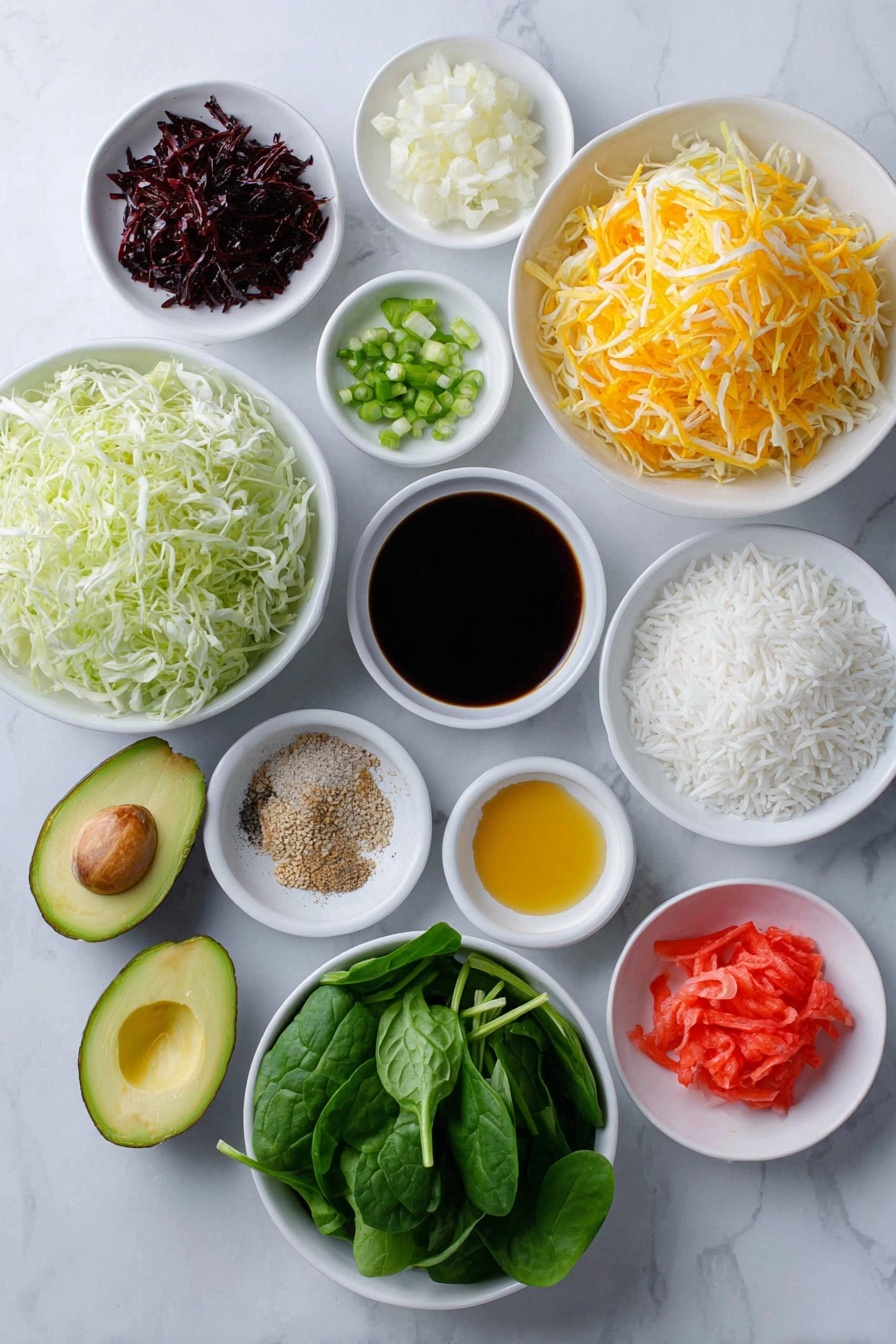
- Beef mince: I recommend around 15-20% fat for juiciness; leaner beef tends to dry out under high heat.
- Canola oil: Use a neutral-flavored oil to avoid overpowering the delicate balance of bulgogi sauce.
- Onion: Grated finely, it melts into the sauce for a subtle sweetness and depth—not the same as chopped onion at all.
- Red apple: This is a game-changer. The grated apple adds natural sweetness and tenderizes the meat slightly, giving the sauce a beautiful fruity note.
- Garlic and ginger: Fresh is best here—to punch up that classic Korean flavor.
- Soy sauce: I use all-purpose or light soy sauce; avoid dark soy or sweet soy sauces to keep it balanced.
- Sesame oil: Adds a toasty, nutty aroma that’s absolutely essential to bulgogi.
- Mirin: If you want to keep it alcohol-free, just omit or substitute with a little extra sugar and a splash of rice vinegar.
- Brown sugar: Helps caramelize the meat and adds that signature Korean sweetness.
- Baby spinach and leafy greens: These brighten up the bowl—spinach wilts perfectly in seconds with just a bit of oil.
- Carrot and avocado: Fresh veggies balance the richness of the beef and add texture.
- Pickled ginger: A tangy kick that adds brightness—I love the pink kind for color contrast.
- White sesame seeds and green onion: The final flourish that brings the whole bowl together visually and flavor-wise.
Variations
One of the things I love about this Korean Beef Bulgogi Rice Bowls Recipe is how easy it is to tweak to your taste or dietary needs. Don’t be afraid to make it your own!
- Use ground chicken or turkey: I’ve done this when I wanted a lighter version; just adjust cooking time so it doesn’t dry out.
- Add spicy kick: If you like heat, sprinkle in some gochujang or red pepper flakes when cooking beef for that authentic Korean spicy flavor.
- Vegetarian twist: Swap beef for marinated tofu or mushrooms and cook them the same way with the bulgogi sauce.
- Greens swap: If baby spinach isn’t available, kale or even finely shredded cabbage work beautifully and add different textures.
How to Make Korean Beef Bulgogi Rice Bowls Recipe
Step 1: Whip Up the Secret Sauce Magic
I always start by mixing the bulgogi sauce in one bowl and the drizzle sauce in another. Using a microplane or finely grating the onion and apple makes a huge difference here—the finer, the better for that melt-into-the-beef goodness. This sauce mix is basically where the magic happens. Trust me, skipping the grated apple is missing half the story!
Step 2: Wilt the Spinach Like a Pro
Heat 2 teaspoons of oil over high heat, toss in half the baby spinach, and stir quickly—around 30 seconds until it just starts to wilt. Then add the rest and keep tossing for about a minute more. Removing the spinach promptly prevents it from overcooking and turning mushy. You’ll have bright, tender greens that balance perfectly against the rich beef.
Step 3: Sear the Beef to Caramelized Perfection
Up the heat and add a tablespoon of oil, then toss in your ground beef. Break it apart as it cooks so it browns evenly. When you don’t see any raw spots, pour in the bulgogi sauce and let it simmer vigorously. Stir every now and then while the sauce thickens and mostly evaporates. The key is to keep stirring once the liquid is almost gone so the beef gets that irresistible caramelization but stays moist and tender. It smells so good at this point, I often have to remind myself to stay patient.
Step 4: Plate Your Delicious Korean Beef Bulgogi Rice Bowls
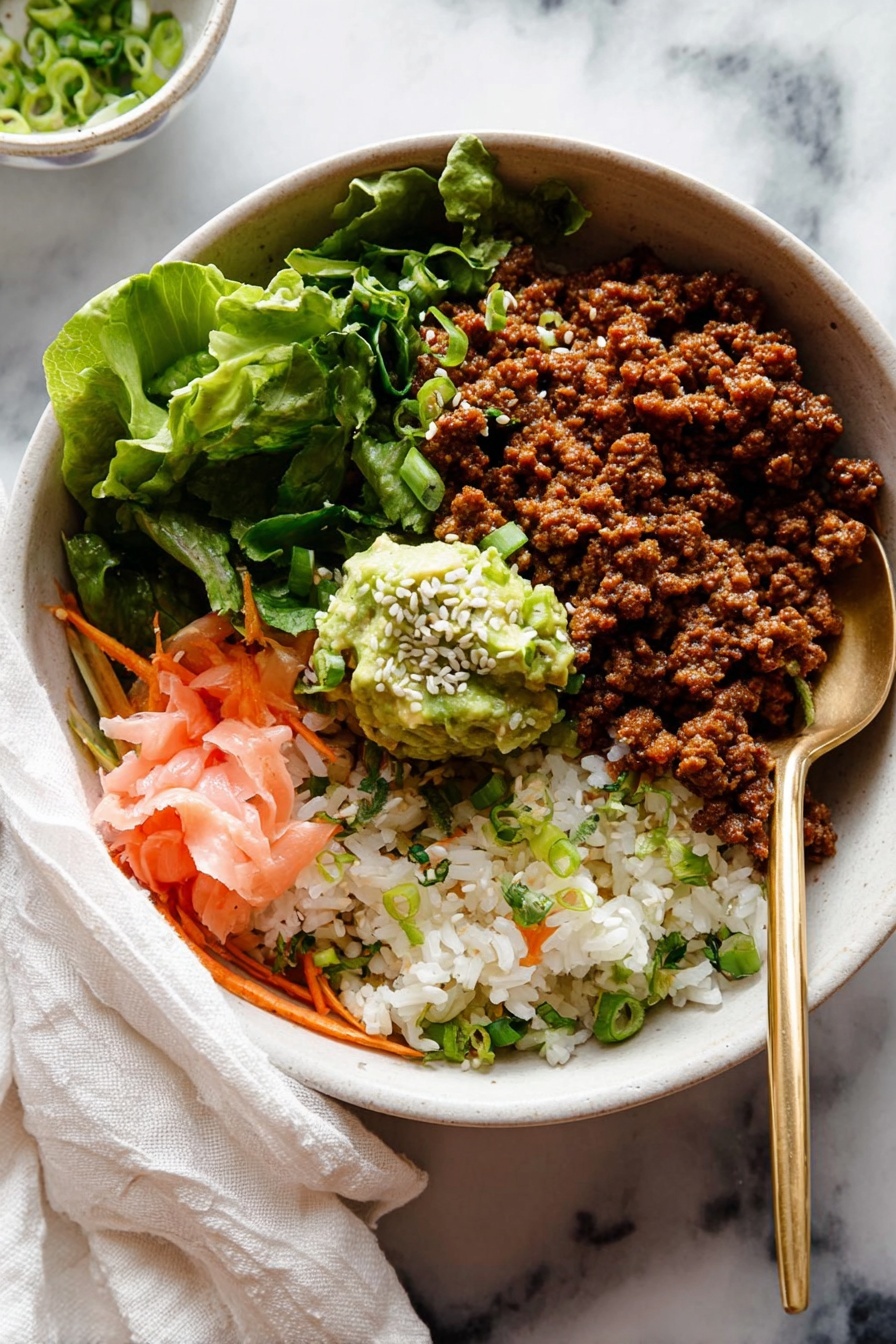
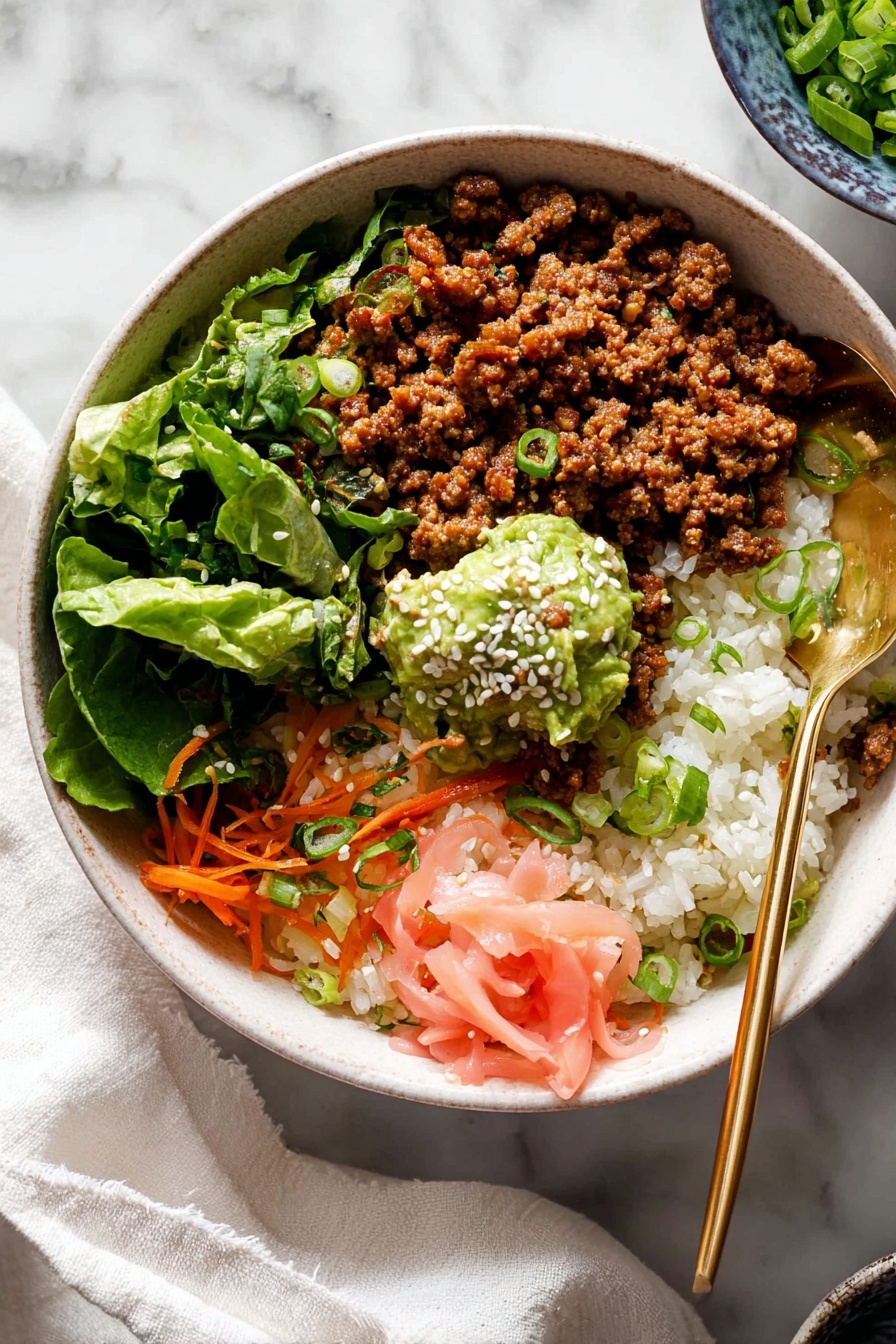
Start with a base of fluffy white rice, then spoon on that gorgeous bulgogi beef. Pile wilted spinach and fresh carrot for crunch, a dollop of creamy mashed avocado, and tuck in some torn romaine or baby cos lettuce on the side. Finish by sprinkling toasted sesame seeds and sliced green onion on top, and add pickled ginger for that bright, tangy contrast. Drizzle the sauce over everything before you dive in—this creates the perfect harmony of flavors in every bite.
Pro Tips for Making Korean Beef Bulgogi Rice Bowls Recipe
- Grate Don’t Chop: When it comes to onion and apple, grating releases juices and flavors that diced versions just can’t compete with.
- High Heat Cooking: Cooking the beef quickly over high heat helps caramelize it properly without drying it out—don’t crowd the pan!
- Spinach Timing: Wilt spinach just before cooking beef so it stays vibrant and doesn’t get soggy waiting.
- Avoid Over-saucing: Let the sauce reduce well so you get a nice caramelized crust instead of a watery mess.
How to Serve Korean Beef Bulgogi Rice Bowls Recipe
Garnishes
I always top my bowls with sliced green onions and white sesame seeds because they add crunch and nuttiness. The pickled ginger isn’t optional—it cuts through the richness and adds a lovely pop of color. Freshly mashed avocado brings creaminess and cools everything when the flavors get intense. I find these garnishes make the bowl look like it took way longer to make than it actually did.
Side Dishes
Pair your bulgogi rice bowls with simple sides like kimchi for a fermented tang, or a cucumber salad tossed with rice vinegar and chili flakes. I also love steamed edamame sprinkled with sea salt—it complements the meal perfectly and is kid-friendly.
Creative Ways to Present
For special occasions, I serve my Korean Beef Bulgogi Rice Bowls Recipe in individual stone or ceramic bowls to keep things warm and authentic-feeling. Adding a soft boiled egg on top with a drizzle of extra sauce always impresses guests. If I’m feeling playful, I arrange the veggies and beef in neat little sections around the rice so everyone can see all the components before digging in.
Make Ahead and Storage
Storing Leftovers
I store leftover cooked beef in an airtight container in the fridge and it stays great for up to 3 days. If the beef seems a bit dry when reheating, I add a splash of water or extra drizzle sauce to bring back moisture. Rice re-heats well in the microwave covered with a damp paper towel to keep it soft.
Freezing
I’ve frozen cooked bulgogi beef in portion-sized containers or freezer bags for up to 3 months. Just thaw it overnight in the fridge the day before you want to serve. The flavors hold up well, though I usually add fresh veggies and garnishes after reheating for best texture.
Reheating
When reheating, I prefer to warm the beef gently in a skillet over medium heat with a bit of water or sauce to keep it juicy. Microwave works fine too—cover with a lid or damp towel to avoid drying out. Add fresh garnishes right before eating to keep those bright flavors and textures alive.
FAQs
-
Can I use sliced beef instead of ground beef for this recipe?
Absolutely! Traditional bulgogi often uses thinly sliced beef like ribeye or sirloin. If you have time, marinate sliced beef in the sauce for 30 minutes to a few hours and cook it quickly over high heat. Using ground beef is a quicker, budget-friendly twist, but sliced beef offers a chewier texture if you prefer.
-
What can I substitute if I don’t have mirin?
If you don’t have mirin on hand, no worries! You can substitute with a mix of cooking sake or Chinese cooking wine plus a little brown sugar, or just skip it. The mirin adds a subtle sweetness and depth, but the recipe remains delicious without it.
-
Is the apple really necessary in the bulgogi sauce?
Yes! The grated apple adds natural sweetness and a tenderizing effect that you just can’t replicate with sugar alone. It gives the sauce a fresh, bright flavor that’s key to authentic-tasting bulgogi. I’ve found it’s worth keeping on the shopping list.
-
Can I make this recipe gluten-free?
Definitely! Simply swap the soy sauce for tamari or another gluten-free soy sauce alternative. Avoid any pre-made sauces with hidden gluten. The rest of the ingredients are naturally gluten-free.
-
How spicy is this Korean Beef Bulgogi Rice Bowls Recipe?
This version isn’t spicy at all, so it’s kid-friendly and perfect if you’re sensitive to heat. If you want to add spice, you can mix in some gochujang or red pepper flakes when cooking or serve chili paste on the side.
Final Thoughts
This Korean Beef Bulgogi Rice Bowls Recipe has become one of my go-to dishes when I want something impressive but quick. The way the sweet-savory sauce clings to caramelized beef combined with fresh, vibrant toppings is just irresistible. I’m confident that once you try it, you’ll find yourself making it again and again—whether for a cozy family dinner or to wow friends. Give it a shot, and let me know how it turns out for you!
Print
Korean Beef Bulgogi Rice Bowls Recipe
- Prep Time: 15 minutes
- Cook Time: 10 minutes
- Total Time: 25 minutes
- Yield: 4 – 5 servings
- Category: Main Course
- Method: Stovetop
- Cuisine: Korean
Description
Korean Beef Bulgogi Rice Bowls offer a quick and flavorful twist on classic Korean cuisine using ground beef and a delicious homemade Bulgogi sauce featuring grated apple and onion. Served over rice with wilted spinach, crisp carrots, mashed avocado, pickled ginger, and fresh greens, this vibrant dish combines sweet, savory, and tangy flavors for an easy weeknight dinner packed with texture and nutrition.
Ingredients
Beef Bulgogi
- 500g / 1 lb beef mince (ground beef), any fat % you like
- 1 tbsp canola oil or any other plain flavoured oil
- 1 tbsp onion, finely grated (~1/4 onion)
- 3 tbsp red apple, finely grated (skin on, ~1/2 apple)
- 3 garlic cloves, finely grated
- 1 tsp ginger, finely grated
- 2 1/2 tbsp soy sauce (all-purpose or light)
- 1 tbsp sesame oil
- 1 tbsp mirin (omit for no alcohol)
- 1 tbsp brown sugar
- 1/8 tsp black pepper
Rice Bowl Drizzle Sauce
- 2 tbsp soy sauce (all-purpose or light)
- 1 tbsp sesame oil
- 2 tsp brown sugar
- 2 tsp rice vinegar (or apple cider vinegar)
Rice Bowl Ingredients
- White rice (medium or short grain)
- 4 large handfuls baby spinach (or similar chopped leafy greens like cabbage or kale)
- 1 large carrot, peeled and julienned or grated
- 1 avocado, mashed
- 1/4 cup pickled ginger (preferably pink for color)
- 1 1/2 cups baby cos / romaine lettuce, torn into bite size pieces
- 1 tsp white sesame seeds
- 1 green onion, finely sliced
- 2 tsp canola oil (or other plain oil, to wilt spinach)
Instructions
- Make the sauces: In one bowl, combine all ingredients for the Bulgogi sauce, mixing well to blend the grated onion, apple, garlic, ginger, soy sauce, sesame oil, mirin, brown sugar, and black pepper. In a separate bowl, mix together the rice bowl drizzle sauce ingredients – soy sauce, sesame oil, brown sugar, and rice vinegar – until the sugar dissolves.
- Wilt the spinach: Heat 2 teaspoons of oil in a large non-stick pan over high heat. Add half of the baby spinach and toss with tongs until it is semi-wilted, about 30 seconds. Add the remaining spinach and continue tossing until fully wilted, about another 30 seconds to 1 minute. Remove the spinach to a bowl and set aside.
- Cook the Bulgogi beef: Add 1 tablespoon of oil to the pan and keep the heat high. Add the ground beef and cook, breaking it up as you stir until the beef is no longer pink. Stir in the Bulgogi sauce and let the mixture simmer rapidly, stirring occasionally, until most of the sauce has evaporated. Continue stirring regularly to allow the beef to caramelize slightly while remaining moist from the sauce.
- Assemble the rice bowls: Spoon cooked white rice into serving bowls. Top with the cooked Bulgogi beef, wilted spinach, and julienned carrot. Add a dollop of mashed avocado and place pickled ginger on top. Tuck in torn baby cos/romaine lettuce along the side. Sprinkle with white sesame seeds and sliced green onion. Serve with the drizzle sauce on the side for pouring over the assembled bowl before mixing and enjoying.
Notes
- Apple and onion: Grate finely using a microplane or similar grater to maximize their flavor contribution. The grated apple adds natural sweetness and tenderizes the beef, while the grated onion lends depth of flavor unobtainable from diced onion.
- Soy sauce: Use all-purpose or light soy sauce. For gluten free, substitute tamari. Avoid dark soy sauce or kecap manis, as their strong flavors overwhelm the dish.
- Mirin: Can be replaced with Chinese cooking wine or cooking sake plus 1/2 tsp brown sugar. Omitting it results in a slightly different taste but is acceptable.
- Storage: Leftover cooked beef can be refrigerated for up to 3 days or frozen for up to 3 months. Add a splash of water when reheating to moisten if needed.
Nutrition
- Serving Size: 1 bowl (approximate)
- Calories: 430
- Sugar: 8g
- Sodium: 700mg
- Fat: 18g
- Saturated Fat: 5g
- Unsaturated Fat: 11g
- Trans Fat: 0g
- Carbohydrates: 40g
- Fiber: 6g
- Protein: 26g
- Cholesterol: 70mg