
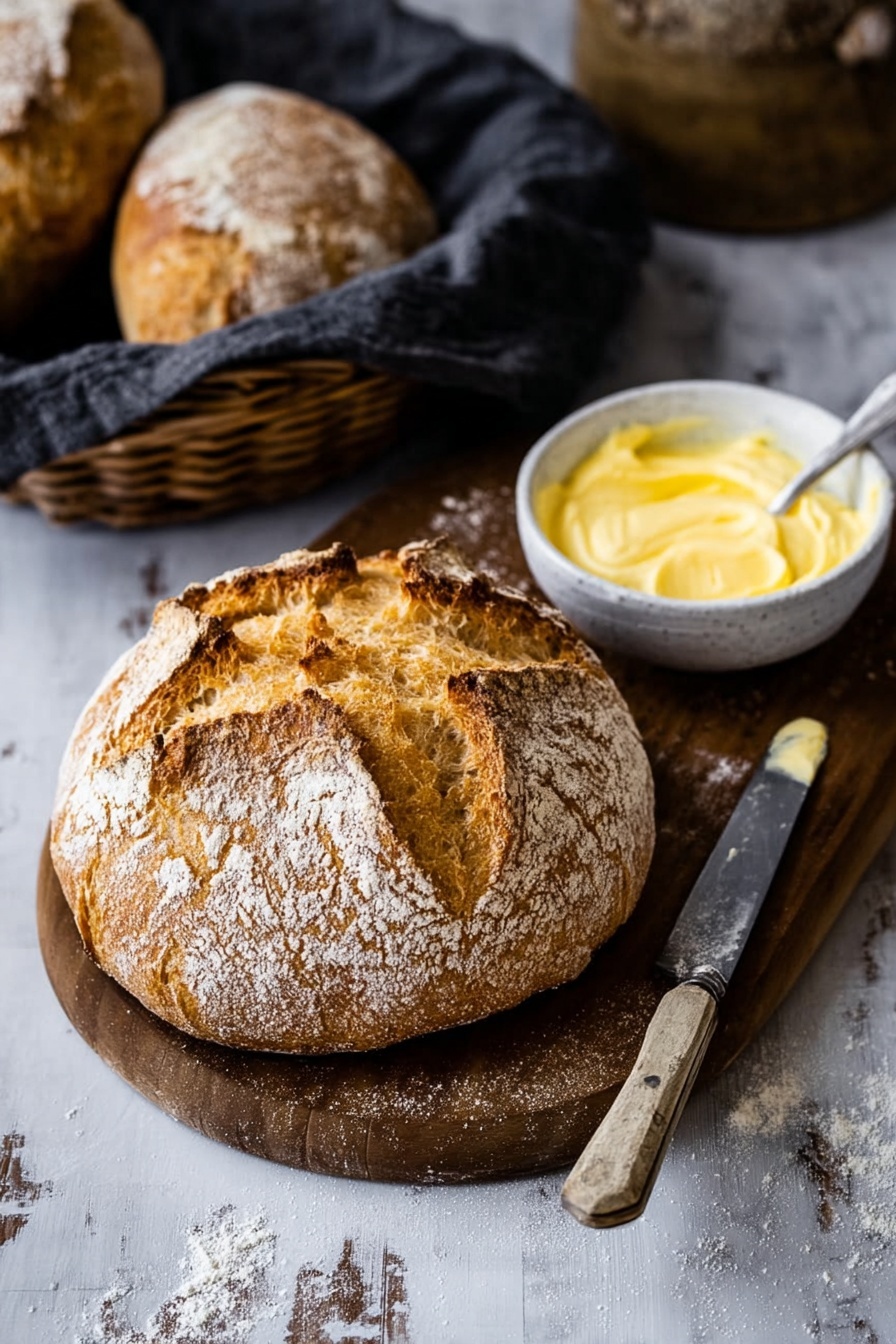
I absolutely love this Irish Soda Bread Recipe because it’s so easy to pull together and delivers a rustic, comforting loaf with a crusty outside and tender crumb. When I first tried this recipe, I was amazed at how just a handful of simple pantry ingredients turned into something so delicious. You’ll find that mastering this Irish classic is way simpler than you’d think, and it’s perfect for breakfast, a snack, or alongside hearty soups and stews. Stick around, and I’ll walk you through all my tips so your bread turns out perfect every time.
Why You’ll Love This Recipe
- Simple Ingredients: You probably already have everything in your pantry, making it a no-fuss go-to bread.
- Quick to Make: No yeast, no rising time—just mix, shape, and bake.
- Perfectly Rustic: Crunchy crust with a tender inside; it’s just the right amount of hearty and soft.
- Family Favorite: My family goes crazy for this bread slathered with butter—trust me, it disappears fast!

Ingredients You’ll Need
The beauty of this Irish Soda Bread Recipe is in the simplicity of its ingredients — all working together to create that iconic tangy, tender crumb with a rustic crust. Make sure you grab good-quality buttermilk because it’s essential for the texture and flavor.
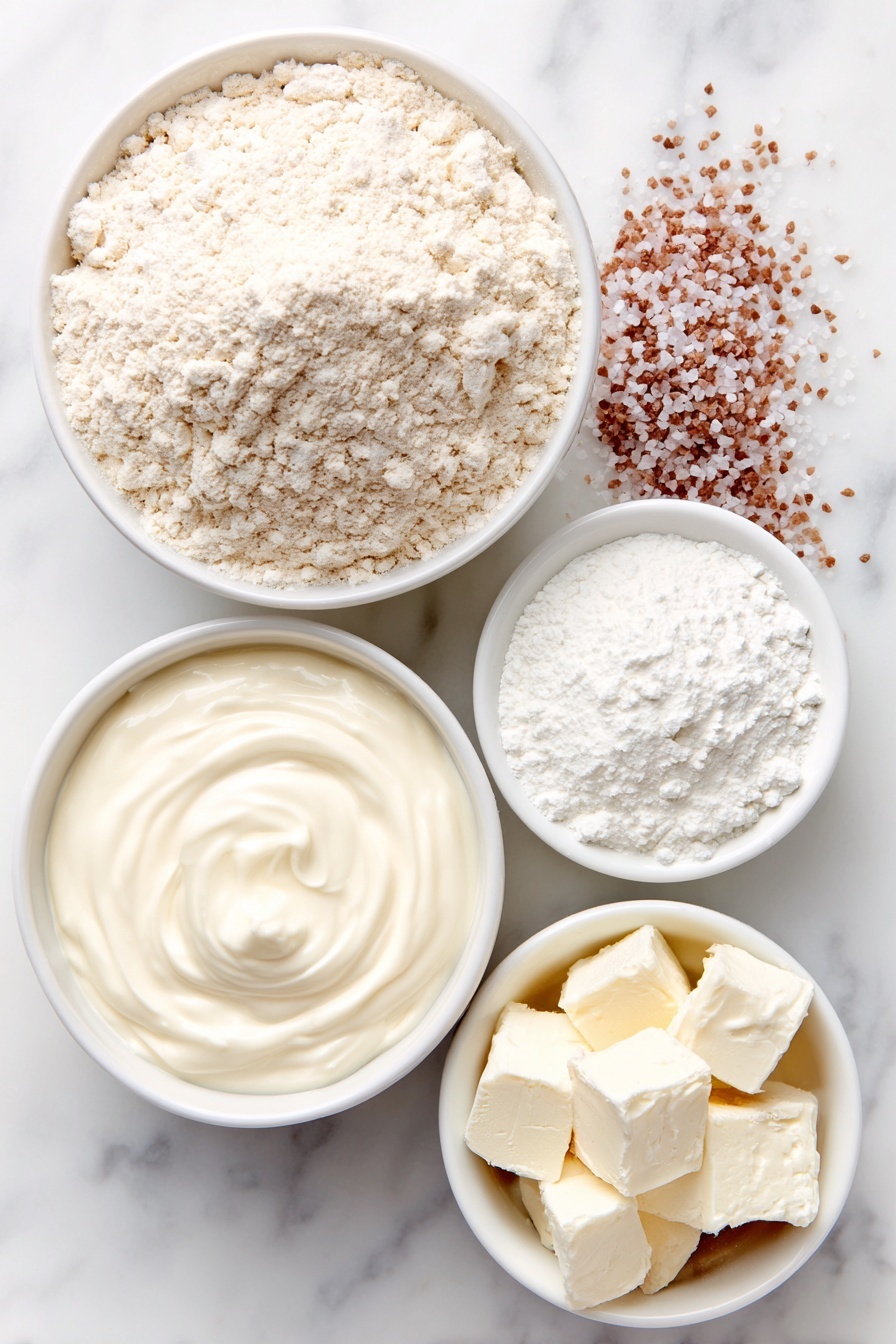
- Unbleached all-purpose flour: I always opt for unbleached—it gives better flavor and texture than bleached versions.
- Kosher salt: Coarse salt adds seasoning without overpowering; if you only have table salt, just reduce it slightly.
- Baking soda: This is the secret leavening agent that makes the bread rise quickly without yeast.
- Buttermilk: This adds tanginess and activates the baking soda, so fresh is better for the best rise.
Variations
I love customizing this Irish Soda Bread Recipe depending on the season or mood. You can keep it classic or add your own twist—don’t be shy about making it your own!
- Raisin Soda Bread: Adding a cup of raisins gives a lovely natural sweetness; my kids go nuts for this version on St. Patrick’s Day.
- Herb-Infused: Fresh rosemary or thyme added to the dough brings out a fragrant, savory touch perfect for pairing with soups.
- Whole Wheat Blend: Swap half the flour for whole wheat for a nuttier flavor and denser texture, just keep the liquid ratio the same.
- Dairy-Free: Use a plant-based buttermilk substitute (like almond milk plus a splash of apple cider vinegar), and you’re all set.
How to Make Irish Soda Bread Recipe
Step 1: Mix the Dry Ingredients
Preheat your oven to 450°F and line a baking sheet with parchment paper—this keeps the bread from sticking and helps with cleanup. In a large bowl, whisk together the flour, salt, and baking soda until well combined. This ensures the raising agent is evenly distributed, giving you a nice, even rise.
Step 2: Add the Buttermilk
Make a well in the center of the dry ingredients and pour in the buttermilk. Using a wooden spoon, gently stir from the center outward. The dough will be shaggy and a bit sticky — that’s exactly what you want! Resist the urge to overmix; too much kneading can make the bread tough.
Step 3: Form the Dough
Lightly flour your work surface and gently tip out the dough. Knead it just 3 or 4 times to bring it together, smoothing the surface a bit. Then shape it into a round loaf with your palms. Don’t overwork it! The texture should remain rustic.
Step 4: Prepare for Baking
Place your loaf on the parchment-lined baking sheet, sprinkle the top lightly with flour, and use a sharp knife to score a deep “X” across the top. This helps the bread bake evenly and creates that signature look of Irish soda bread.
Step 5: Bake and Cool
Bake the bread at 450°F for 15 minutes, then lower the oven to 400°F and rotate the pan for another 25 to 30 minutes until the crust is a deep golden brown. You’ll hear a hollow sound when you tap the bottom if it’s done. Let the bread cool completely for at least 20 minutes on a wire rack before slicing; I know it’s tempting to eat it warm, but the crumb sets better when cooled just a bit. That said, slathered warm with Kerrygold salted butter? Divine.
Pro Tips for Making Irish Soda Bread Recipe
- Use Fresh Baking Soda: I learned the hard way that stale baking soda means flat bread – always check your baking soda’s freshness for a good rise.
- Don’t Overknead: Just a few gentle folds are enough — overworking will make your bread dense and chewy, not light and tender.
- Sharp Knife for Scoring: Using a very sharp knife helps the “X” cut deeply and cleanly, allowing the bread to open up beautifully in the oven.
- Test for Doneness: Knock on the bottom of the loaf—it should sound hollow to confirm it’s baked through and not doughy inside.
How to Serve Irish Soda Bread Recipe
Garnishes
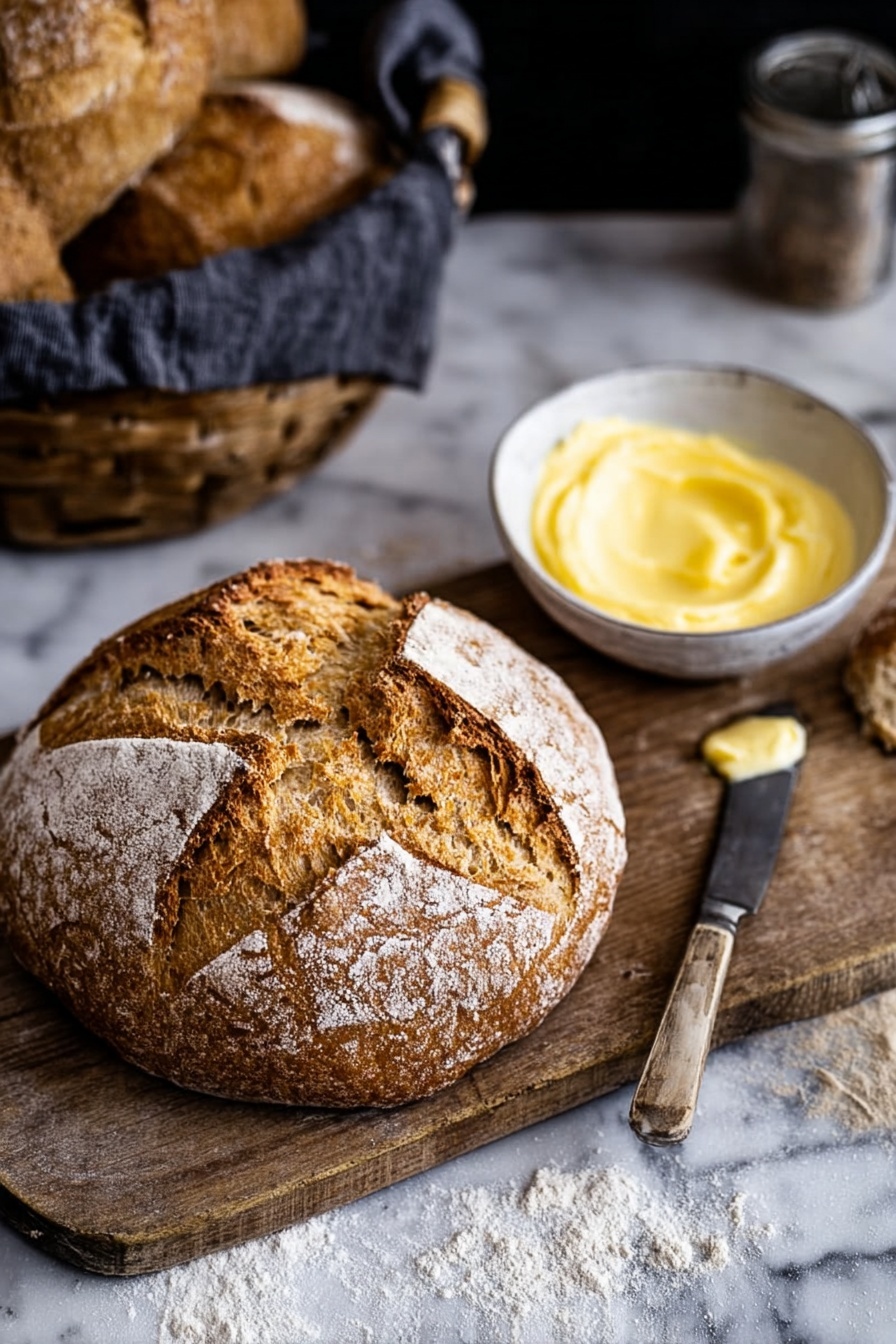
When I serve Irish Soda Bread, I love keeping it simple—just some good-quality salted butter, like Kerrygold, melting into the warm bread. Sometimes I add a drizzle of local honey or a smear of homemade jam for a touch of sweetness. If you want a savory twist, a spread of sharp Irish cheddar or cream cheese works wonders.
Side Dishes
This bread pairs perfectly with hearty dishes like beef stew, hearty vegetable soup, or a classic Irish breakfast. I often serve it alongside colcannon (mashed potatoes and kale) for a full-on Irish feast that my family loves.
Creative Ways to Present
For special occasions, I’ve presented Irish Soda Bread in a beautiful bread basket lined with a colorful linen napkin for a cozy effect. You can slice it into thick wedges or even cut it into small cubes to serve with fondue or as part of a festive cheese board. It’s such a flexible bread that looks rustic yet inviting no matter the setting.
Make Ahead and Storage
Storing Leftovers
I store leftover Irish Soda Bread wrapped tightly in a clean kitchen towel or reusable cloth bag at room temperature. This keeps the crust from becoming too hard while preventing the bread from drying out. It usually stays fresh for about 2 days this way.
Freezing
If I want to save it longer, I slice the bread, wrap it tightly in plastic wrap, then freeze it in a resealable freezer bag. You can freeze it for up to 3 months. I love having this handy when I want a quick snack or unexpected guests pop in!
Reheating
To revive the crust when reheating, I pop slices into a toaster or warm the whole loaf in a 350°F oven for about 10 minutes. This brings back that wonderful crunch and fresh-baked aroma—almost like it just came out of the oven.
FAQs
-
What makes Irish Soda Bread different from regular bread?
Irish Soda Bread uses baking soda as a leavening agent instead of yeast, which means it doesn’t need rising time. The acidity from the buttermilk activates the baking soda to make the bread light and fluffy while keeping it quick and easy to prepare.
-
Can I make Irish Soda Bread without buttermilk?
Yes! You can make a buttermilk substitute by mixing 1 1/2 cups of milk with 1 1/2 tablespoons of lemon juice or white vinegar. Let it sit for 5-10 minutes before using. This mimics the acidity of real buttermilk, which is important for proper rising.
-
How do I know when my Irish Soda Bread is done?
Look for a golden-brown crust and perform the tap test: if the bottom of the loaf sounds hollow when tapped, your bread is baked through and ready to cool.
-
Can I add mix-ins to the dough?
Absolutely! Currants, raisins, herbs, or even cheese can be folded into the dough before baking. Just keep the liquid amount the same and don’t overmix the batter to avoid a tough loaf.
Final Thoughts
This Irish Soda Bread Recipe is close to my heart because it reminds me of cozy Sundays and family breakfasts. It’s straightforward but never boring, with a warm, homemade feel that you just don’t get from store-bought loaves. I encourage you to give it a try—the step-by-step method is foolproof once you get the hang of it, and the aroma alone will have everyone asking for seconds. Whether you keep it classic or put your own spin on it, this bread has a way of making simple ingredients feel like something truly special.
Print
Irish Soda Bread Recipe
- Prep Time: 12 minutes
- Cook Time: 45 minutes
- Total Time: 57 minutes
- Yield: 1 9-inch round loaf (about 8-10 servings)
- Category: Bread
- Method: Baking
- Cuisine: Irish
- Diet: Vegetarian
Description
Traditional Irish Soda Bread is a classic quick bread that uses baking soda as a leavening agent instead of yeast. This rustic loaf has a dense, tender crumb with a golden crust, made with simple ingredients like all-purpose flour, buttermilk, salt, and baking soda. It’s perfect served warm with butter for an authentic Irish treat.
Ingredients
Dry Ingredients
- 3 1/2 cups (420 g) unbleached all-purpose flour
- 3/4 teaspoon (3 g) kosher salt
- 3/4 teaspoon baking soda
Wet Ingredients
- 1 1/2 cups (337 g) buttermilk
Instructions
- Preheat and Prepare: Preheat your oven to 450°F (232°C). Line a baking sheet with parchment paper and set it aside to use later.
- Mix Dry Ingredients: In a large mixing bowl, whisk together the flour, kosher salt, and baking soda thoroughly to evenly distribute the leavening and salt.
- Add Buttermilk: Create a well in the center of the dry ingredients using a wooden spoon, then pour the buttermilk into the well. Gently stir starting from the center, gradually working outwards until the shaggy dough forms. The dough will be quite loose and rough; this is normal.
- Knead Dough: Lightly flour your work surface and pour the dough onto it. Gently knead it about four times to bring it together and smooth the surface slightly. Avoid over-kneading to keep the bread tender.
- Shape the Loaf: Use the palms of your hands to shape the dough into a round loaf, then transfer it to the prepared baking sheet. Lightly sprinkle the top with flour for a rustic look.
- Score the Bread: Using a sharp chef’s knife, cut a large X across the top of the loaf. This helps the bread expand evenly during baking.
- Bake at High Heat: Place the loaf immediately in the preheated oven and bake at 450°F (232°C) for 15 minutes to develop a good crust.
- Lower Temperature and Continue Baking: Reduce the oven temperature to 400°F (204°C), rotate the pan 180 degrees for even cooking, and bake for an additional 25-30 minutes until the bread is deeply golden brown and sounds hollow when tapped on the bottom.
- Cool and Serve: Remove from oven and let the bread cool on a wire rack for at least 20 minutes before slicing. Serve warm with Kerrygold Salted Butter or your favorite spread.
Notes
- Do not over-mix or over-knead the dough to keep the bread tender and avoid toughness.
- Use unbleached all-purpose flour for best texture and flavor.
- Cutting the X on top is traditional and aids in even rising and baking.
- For a crustier loaf, bake on a preheated baking stone or cast iron surface.
- Irish Soda Bread is best eaten the day it’s made but can be toasted the next day.
Nutrition
- Serving Size: 1 slice (1/10 of loaf, approximately 60g)
- Calories: 180
- Sugar: 2g
- Sodium: 300mg
- Fat: 2g
- Saturated Fat: 1g
- Unsaturated Fat: 1g
- Trans Fat: 0g
- Carbohydrates: 37g
- Fiber: 1.5g
- Protein: 5g
- Cholesterol: 5mg