
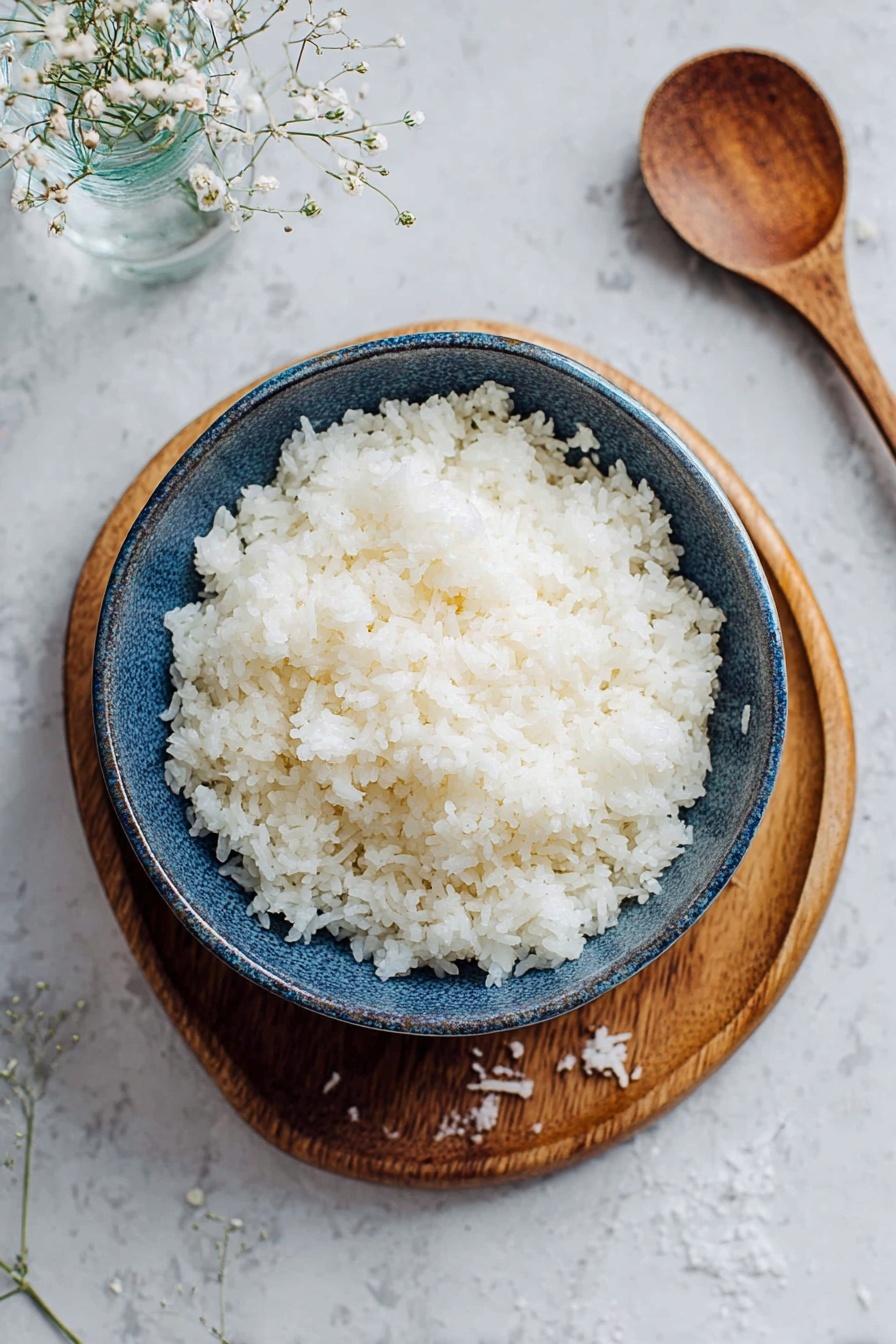
If you’ve ever wondered how to make perfect sushi rice recipe that turns out just right every single time, you’re in the perfect spot. Sushi rice might seem straightforward, but nailing that perfect, sticky, tangy, and shiny texture can make or break your homemade sushi game — trust me, I’ve been there! This recipe is my go-to method for consistently impeccable sushi rice that’s every bit as tasty as the stuff you get at your favorite sushi restaurant.
Why You’ll Love This Recipe
- Reliable Results Every Time: This method removes the guesswork so your sushi rice is perfectly sticky, fluffy, and flavorful.
- Beginner-Friendly: Whether you use a rice cooker or stovetop, you’ll find my tips make the process really approachable.
- Authentic Flavor: The balance of vinegar, sugar, and salt is just right for that classic sushi rice tang.
- Versatile Use: Perfect not just for sushi, but also for poke bowls, onigiri, or just enjoying as a side.

Ingredients You’ll Need
Every ingredient in this how to make perfect sushi rice recipe plays a crucial role. Using the right rice and sushi vinegar brings out that signature texture and flavor you want. Little tips on each ingredient will make sure you shop smart and cook like a pro.

- Sushi Rice: This is a specific short-grain rice variety that’s sticky and perfect for sushi – don’t substitute with long-grain or regular rice!
- Water: Water quality matters here — filtered or fresh cold water helps with rinsing and cooking to avoid any impurities.
- Rice Vinegar: The magical ingredient that gives sushi rice its classic tang. Use a mild rice vinegar—not seasoned or flavored.
- Sugar: Balances the acidity and adds subtle sweetness, which is key for that authentic sushi rice taste.
- Salt: Enhances and rounds out the flavor, making sure it’s not just sweet and sour.
Variations
I like to keep this recipe classic, but feel free to tweak it to your taste or dietary needs! Sometimes I reduce the sugar a bit if I’m pairing the rice with sweeter sushi toppings, or swap out the sugar for a natural sweetener for a slight twist.
- Brown Sushi Rice: I tried this once for a healthier twist; it’s a bit nuttier and chewier, and while not traditional, it’s delicious with poke bowls.
- Flavored Vinegar Mix: Infuse the rice vinegar with a bit of kombu or dried shiitake for an umami boost — just strain before mixing with rice.
- Vegan-Friendly: This recipe is naturally vegan, but you can always omit sugar if sensitive, or try maple syrup as a substitute.
How to Make How To Make Perfect Sushi Rice Recipe
Step 1: Rinse and Soak Your Rice
I learned this early on: rinsing sushi rice until the water runs clear is crucial to washing off excess starch. Use your hand to gently swirl the rice around while water runs over it—this speeds things up. After rinsing, drain thoroughly and then let the rice soak in fresh water for 30 minutes before cooking. This resting time lets grains absorb water evenly, making for fluffier rice.
Step 2: Cook With Care — Rice Cooker or Stovetop
If you have a rice cooker, it’s your best friend here since it controls temperature and timing perfectly. Add 1 ½ cups plus 1 tbsp water for 1 ½ cups sushi rice, then use the “sushi rice” setting if available. Let it soak in the cooker before you start it for best texture. No rice cooker? No problem! Use a pot with a tight-fitting lid and bring the water to a boil, then reduce heat to very low and cook for 8 minutes without peeking. Remove from heat and let it rest, still covered, for 10-15 minutes.
Step 3: Prepare the Sushi Vinegar Seasoning
While the rice cooks, combine your rice vinegar, sugar, and salt in a small saucepan. Bring it just to a boil, then turn off the heat and stir until all the sugar dissolves. This simple syrup infuses your rice with that distinctive sushi tang and glossy finish — trust me, skipping this step results in doughy, bland rice.
Step 4: Season and Cool Your Rice
Transfer your cooked rice to a large bowl and gently but thoroughly toss it with the hot sushi vinegar mixture. I love using a wooden or plastic spatula and a cutting motion rather than stirring to avoid smashing the grains. Then cover the bowl with a damp tea towel to keep the rice from drying out as it cools to room temperature — patience here is key for that perfect sushi rice texture!
Pro Tips for Making How To Make Perfect Sushi Rice Recipe
- Use Cold Water for Rinsing: This keeps the grains firm and avoids premature cooking during rinsing.
- Don’t Skip the Resting Time: Soaking before cooking and resting after prevents mushy or unevenly cooked rice.
- Gently Toss the Rice: Use a cutting and folding motion with a spatula—it keeps the grains intact and glossy.
- Avoid Refrigerating for Sushi: Fresh rice is king! Refrigeration makes it hard and loses that stickiness you need for rolling.
How to Serve How To Make Perfect Sushi Rice Recipe

Garnishes
When I serve sushi rice, I love garnishing with a sprinkle of toasted sesame seeds for a nutty crunch, thinly sliced nori strips for texture, or even a few drops of soy sauce right on top. These simple touches bring out the rice’s subtle flavors and add a bit of visual appeal too.
Side Dishes
My favorite sides to enjoy alongside this perfect sushi rice include miso soup, pickled ginger, and edamame. Sometimes I also whip up a quick seaweed salad or a light cucumber sunomono for that refreshing contrast.
Creative Ways to Present
For special occasions, I’ve laid out sushi rice in glass bowls as the base for a layered poke bowl with fresh toppings. Another fun idea is making colorful sushi rolls with different fillings placed side by side for a sushi platter that’s both stunning and interactive for guests.
Make Ahead and Storage
Storing Leftovers
After many attempts, I found that leftover sushi rice really isn’t good for making rolls again—it turns hard and loses its magic. However, I store leftovers in an airtight container in the fridge for up to three days and repurpose them in poke bowls or fried rice recipes instead. That way, nothing goes to waste!
Freezing
I don’t usually freeze sushi rice because freezing changes the texture quite a bit. It tends to get crumbly once thawed, which isn’t great for sushi. I recommend making fresh rice each time if possible.
Reheating
If you do reheat leftover rice, sprinkle a bit of water on top and cover it with a damp paper towel. Microwave it gently in short bursts to bring back some moisture and softness—though it still works best for dishes like fried rice rather than sushi rolls.
FAQs
-
Can I use regular long-grain rice for sushi?
Long-grain rice is not suited for sushi because it’s less sticky and lacks the right texture; sushi rice is short-grain or medium-grain japonica rice that holds together well for rolling and eating with chopsticks.
-
How long should I soak sushi rice before cooking?
Soaking sushi rice for about 30 minutes before cooking lets the grains absorb water evenly, resulting in fluffier and less brittle rice after cooking.
-
Why is sushi rice sticky, and how to control stickiness?
Sushi rice’s stickiness comes from its high amylopectin starch content. Rinsing well to remove excess surface starch and using the correct water ratio helps you control how sticky the finished rice is — too much water can make it mushy.
-
Can I prepare sushi rice in advance?
I recommend making sushi rice fresh just before assembling sushi because refrigerated rice dries out and becomes hard, making it difficult to work with and less enjoyable to eat.
Final Thoughts
I absolutely love how this how to make perfect sushi rice recipe transforms an everyday staple into something truly special. The technique and little details I share here took me a while to perfect, and I’m so happy to pass them on — you’ll find it’s easy once you know the tricks. Next time you want to impress with sushi at home or craft a delicious poke bowl, this rice will be your secret weapon. Give it a try, and I promise your sushi-loving friends will be asking for your recipe!
Print
How To Make Perfect Sushi Rice Recipe
- Prep Time: 40 minutes
- Cook Time: 10 minutes
- Total Time: 1 hour 50 minutes
- Yield: 4 servings (4-8 sushi rolls)
- Category: Side Dish
- Method: Stovetop
- Cuisine: Japanese
Description
Learn how to make perfect sushi rice every time using either a rice cooker or stovetop method. This guide includes precise measurements, detailed instructions, and tips for achieving fluffy, seasoned sushi rice ideal for sushi rolls or poke bowls.
Ingredients
Sushi Rice
- 1 1/2 cups sushi rice
- 1 1/2 cups + 1 tablespoon (375ml) water (for rice cooker method)
- 1 3/8 cups (330ml) water (for stovetop method)
Sushi Vinegar
- 1/4 cup rice vinegar
- 2 tablespoons sugar
- 1 teaspoon salt
Instructions
- Rinse Rice: Place the sushi rice in a large bowl and wash it under running cold water until the water runs clear. Move the rice in a circular motion with your hand to rinse thoroughly and remove excess starch.
- Drain Rice: Carefully drain the water using a sieve or by gently pouring off the water, ensuring all excess water is removed.
- Cook Sushi Rice in a Rice Cooker: Place the rinsed rice and 1 ½ cups plus 1 tablespoon (375ml) of water into the rice cooker bowl. Let it soak for 30 minutes. Start the rice cooker using the ‘sushi rice’ setting if available. When cooking completes, leave the rice inside with the lid closed for an additional 10-15 minutes to steam and finish cooking without opening the lid.
- Cook Sushi Rice on the Stovetop: Place the rinsed rice with 1 ⅜ cups (330ml) water in a pot and let soak for 30 minutes. Cover and bring to a boil over high heat. Then reduce the heat to the lowest setting and cook for 8 minutes without lifting the lid. Remove from heat and let the rice sit covered for 10-15 minutes to allow it to steam.
- Make Sushi Vinegar: While the rice cooks, combine rice vinegar, sugar, and salt in a small saucepan. Bring the mixture to a boil, then remove from heat and stir until the sugar is fully dissolved.
- Season Rice: Transfer the cooked rice into a large bowl. Pour the hot vinegar mixture evenly over the rice and gently toss with a wooden spatula or paddle, folding the rice to coat it thoroughly without mashing the grains.
- Cool: Cover the bowl with a damp tea towel to prevent the rice from drying out. Leave it to cool at room temperature until it reaches just warm or room temperature, perfect for making sushi.
- Serve: Use the seasoned sushi rice immediately to prepare your favorite sushi rolls, maki, or poke bowls for best texture and flavor.
Notes
- For beginners, the rice cooker method is recommended for consistent results.
- The rice-to-water ratio is approximately 1:1.1 by volume when using a pot, and about 1:1.25 when using a rice cooker; adjust according to your specific rice cooker model’s instructions.
- 1 ½ cups (300g) uncooked sushi rice yields about 4-5 thick California rolls or 7-8 medium maki rolls, serving 2-4 people depending on appetite.
- Always use freshly cooked sushi rice for sushi as refrigeration hardens the rice, making it unsuitable for sushi rolls.
- Leftover rice can be stored in an airtight container in the refrigerator for up to 3 days and is best used for poke bowls or fried rice.
Nutrition
- Serving Size: 1/4 recipe (about 150g cooked sushi rice)
- Calories: 210
- Sugar: 4 g
- Sodium: 330 mg
- Fat: 0.3 g
- Saturated Fat: 0 g
- Unsaturated Fat: 0.3 g
- Trans Fat: 0 g
- Carbohydrates: 46 g
- Fiber: 1 g
- Protein: 4 g
- Cholesterol: 0 mg