
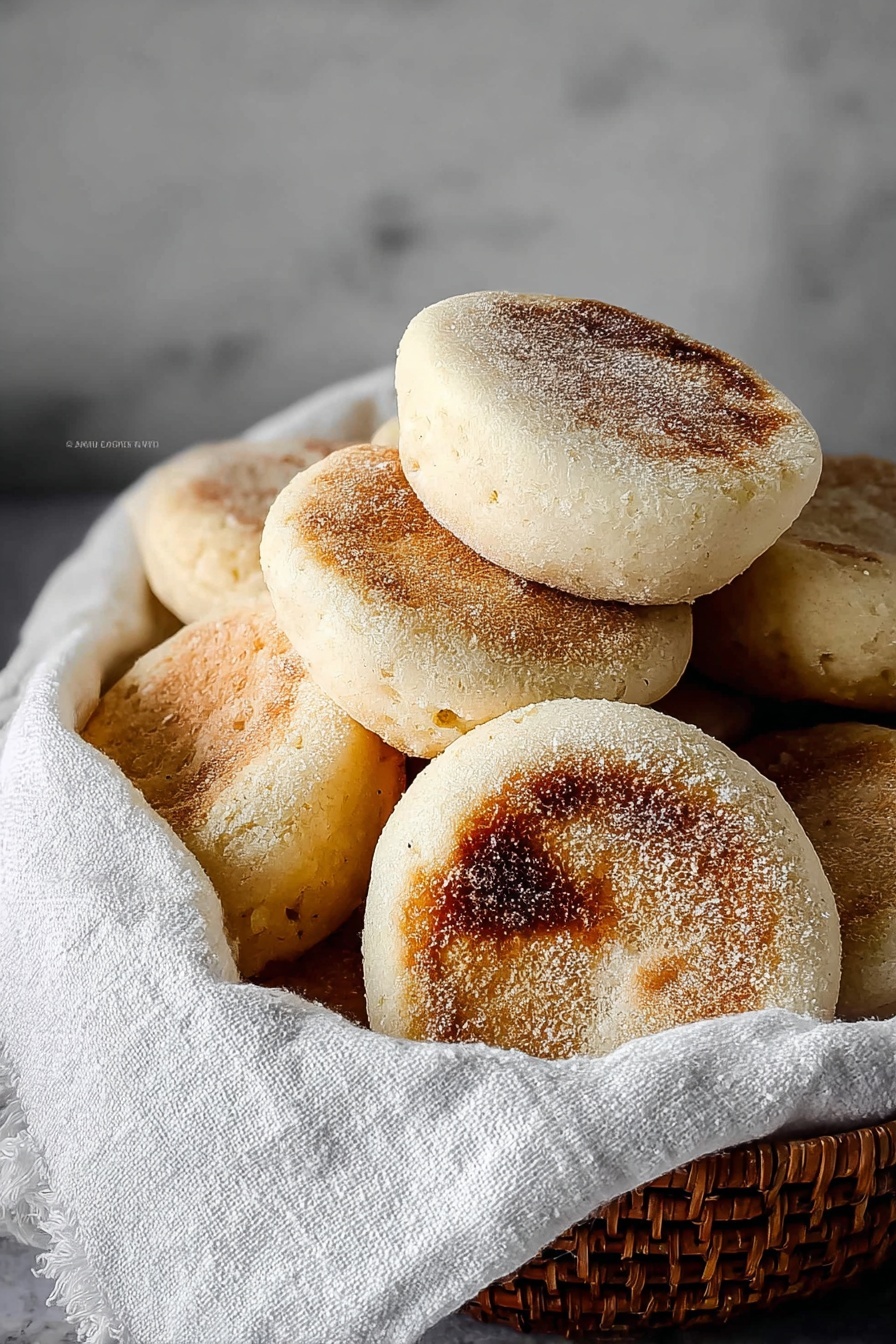
If you’ve ever craved that perfect breakfast bread, with just the right amount of chew, crispy crust, and those iconic nooks and crannies, then you’re going to adore this Homemade Sourdough English Muffins Recipe. Trust me, once you make these at home, you’ll never settle for store-bought muffins again. They’re surprisingly simple, require minimal ingredients, and have that unmistakable fresh-from-the-oven charm that makes mornings feel extra special.
Why You’ll Love This Recipe
- Authentic Sourdough Flavor: Using your own active sourdough starter gives these muffins a tangy depth you just can’t get from commercial yeast.
- Soft Inside, Crispy Outside: You get the perfect contrast that makes every bite satisfying and full of texture.
- Easy Overnight Prep: Mix it the night before, let fermentation do the magic, then quickly shape and cook the next morning.
- Versatile and Fun to Make: Once you’ve mastered these, you’ll be experimenting with different toppings, mix-ins, and meal ideas.

Ingredients You’ll Need
These ingredients work together beautifully to create the classic texture and tang of sourdough English muffins. I always recommend using unbleached all-purpose flour for the best flavor and structure, and a lively sourdough starter to get that signature tang.
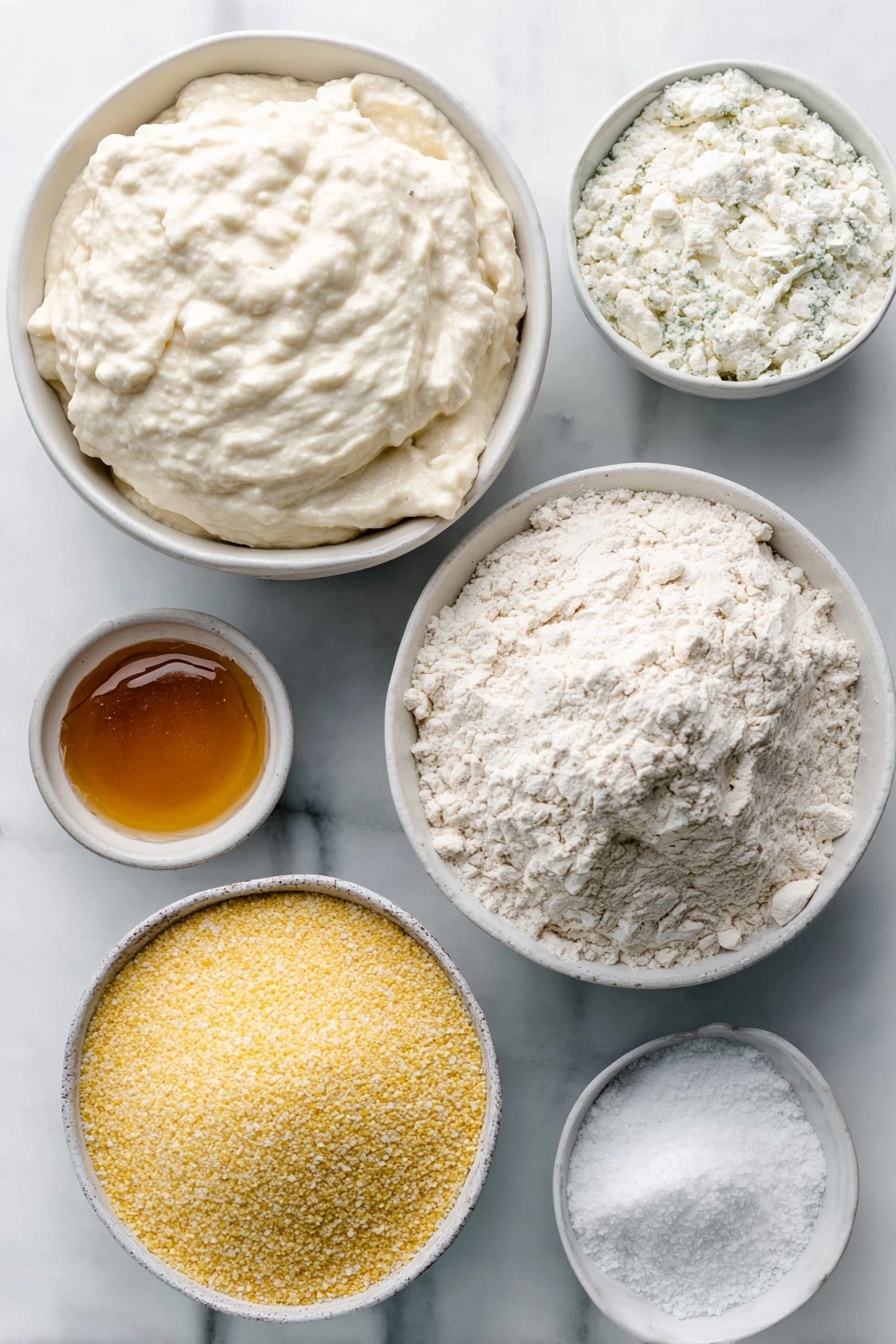
- Active sourdough starter: Make sure it’s bubbly and recently fed for the best rise and flavor.
- Honey: Adds just a touch of sweetness to balance the sourdough tang.
- Milk: I like using whole milk for richness, but you can use any milk you prefer.
- All-purpose flour: Provides the structure needed without being too dense; I use unbleached for better texture.
- Baking soda: Helps with extra rise and lightness since sourdough alone can be a bit slow.
- Salt: Essential for flavor — don’t skip it!
- Cornmeal (or semolina/farina): Dusting the griddle prevents sticking and adds a lovely rustic crunch to the bottom of the muffins.
Variations
I love how flexible this Homemade Sourdough English Muffins Recipe is — you can tweak it to suit your tastes or dietary needs. I’ve tried a few versions and always come back to the classic because it’s just that good. But don’t hesitate to make it your own!
- Using Sourdough Discard: When my starter was getting too big, I switched to sourdough discard by skipping the baking soda and adding instant yeast — it worked great for a quicker one-day process.
- Gluten-Free Adaptation: I haven’t nailed this just yet, but experimenting with gluten-free flour blends and xanthan gum could be promising — let me know if you try!
- Mix-Ins: Adding herbs like rosemary or cracked pepper in the dough is a delicious twist for savory muffins.
- Sweet Version: Try adding cinnamon and raisins for a breakfast treat that feels like a hug in bread form.
How to Make Homemade Sourdough English Muffins Recipe
Step 1: Mix and Ferment Overnight
First, combine your active sourdough starter, honey, milk, and flour in a medium bowl. I usually use a wooden spoon to mix it all until there aren’t any dry bits left—don’t worry about it being super smooth yet. Cover the bowl and leave it on your counter overnight or for about 8 to 10 hours. The magic here is patience—this slow fermentation builds the flavor and texture that make these muffins stand out.
Step 2: Add Remaining Ingredients and Knead
The next morning, sprinkle baking soda and salt over your dough, then add the remaining flour. When I first started making these, I often added more flour than needed as I was nervous about sticky dough. You’ll find it easier to knead once you add a little flour at a time until the dough becomes smooth and manageable—about 5 minutes with a mixer or 10 minutes by hand. It should be soft but not overly sticky; if it’s too wet, gradually add a bit more flour.
Step 3: Rest, Roll Out, and Cut Circles
Let the dough rest for 10 to 15 minutes to relax the gluten, which makes rolling it out much easier. Then, roll the dough out to about half an inch thick. Use a 3 to 4 inch round cutter or even a glass to cut circles. I like greasing the baking sheet lightly and sprinkling it with cornmeal before placing the muffins—this prevents sticking and adds a tasty crunchy bottom crust. Don’t toss your scraps; I reroll them to get about 18 muffins in total. Alternatively, divide the dough into 9 equal parts if you want larger muffins.
Step 4: Proof Muffins Before Cooking
Cover the muffins loosely with sprayed or oiled plastic wrap and let them rise for about 1 hour. They’ll puff up a bit during this time. I like to keep them at room temperature in a draft-free spot. This step is crucial for light, airy nooks and crannies inside.
Step 5: Cook on the Griddle
Heat your griddle or heavy frying pan to about 325℉ (or medium-low heat). Before placing the muffins on, sprinkle the cooking surface generously with cornmeal or semolina. If your pan isn’t non-stick, spray it with vegetable oil first. Cook the muffins in batches for 5 to 6 minutes per side, covering the pan helps speed cooking and keep them moist. Keep an eye on the bottoms to prevent burning; adjust heat as needed. I use a spatula to peek under after a couple of minutes. When done, an instant-read thermometer should register 190°F in the center.
Pro Tips for Making Homemade Sourdough English Muffins Recipe
- Starter Strength Matters: Using a ripe, bubbly starter set the foundation for great rise and flavor—don’t skip feeding it the day before.
- Don’t Skip the Cornmeal: It’s not just for non-stick; it adds texture and authenticity to the muffins’ crust.
- Patience with Proofing: Giving your muffins enough time to puff during the final rise makes those iconic air pockets develop beautifully.
- Fork Over Knife: Always split your muffins with a fork to preserve all the delicious nooks and crannies inside.
How to Serve Homemade Sourdough English Muffins Recipe
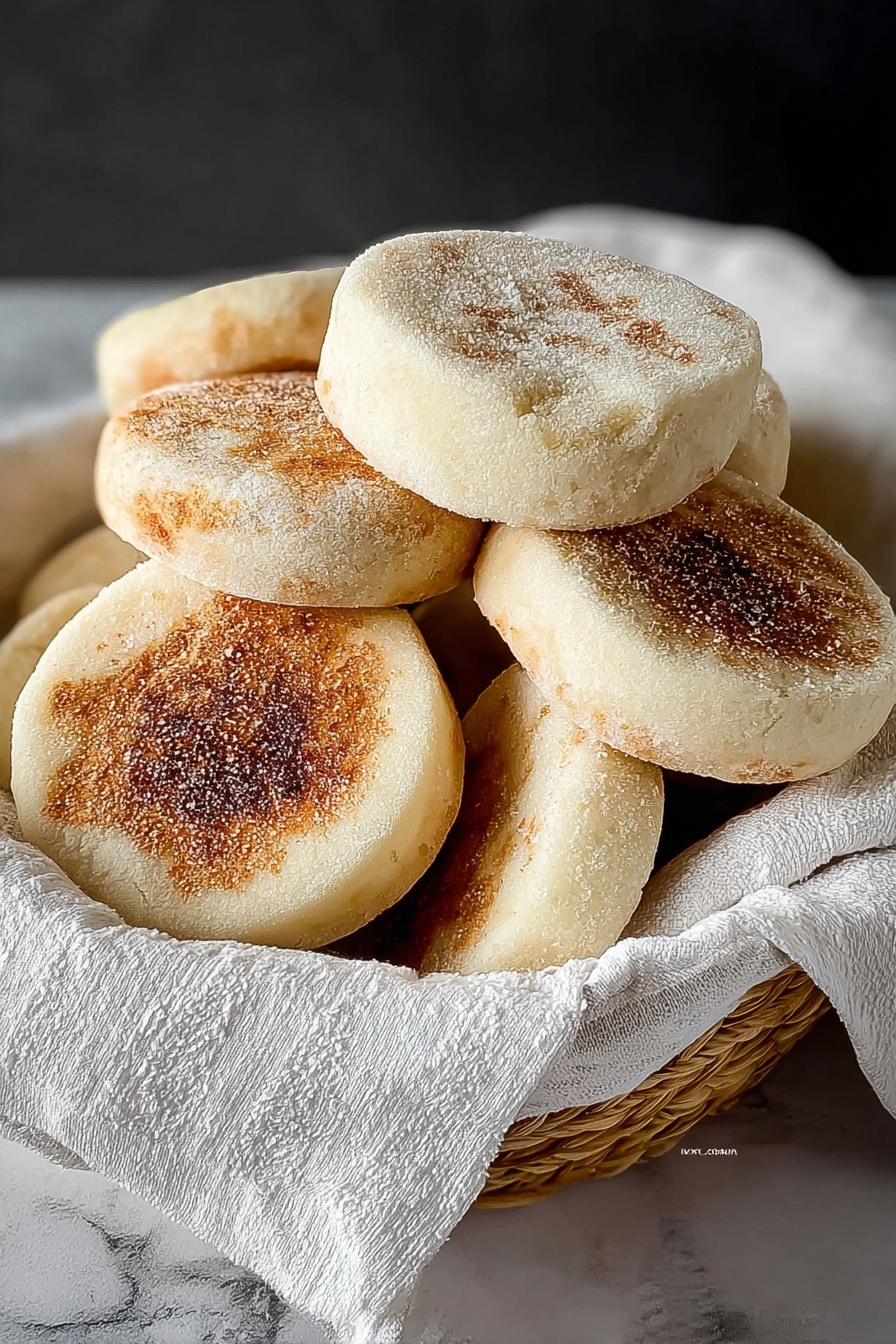
Garnishes
I love topping these muffins with a generous spread of butter while they’re still warm so it melts into every crevice. Jam, honey, or a little cream cheese are my go-to garnishes. For a savory kick, try melted sharp cheddar and sliced avocado — my family goes crazy for these combos!
Side Dishes
Homemade sourdough English muffins pair perfectly with a fresh fruit salad, scrambled eggs, or even crispy bacon. For a heartier meal, serve alongside a bowl of tomato soup or a vibrant green salad for lunch or brunch.
Creative Ways to Present
One of my favorite ways to elevate these muffins for special occasions is to split them and assemble mini breakfast sandwiches with smoked salmon, cream cheese, and dill. They make an impressive brunch spread! You can also toast them and serve with personalized topping stations — great for family gatherings.
Make Ahead and Storage
Storing Leftovers
If you have leftovers, store cooled muffins in an airtight container or zip-top bag at room temperature for up to 2 days. I always keep them wrapped so they stay soft but still hold their crisp crust when toasted.
Freezing
Freezing is a game-changer for me! Just let the muffins cool completely, then freeze them in a sealed plastic bag for up to a month. This way, you always have fresh-tasting muffins on hand without extra work.
Reheating
When reheating, I pop frozen muffins straight into the toaster for a couple of cycles. This brings back that crisp exterior while warming the soft inside nicely. If you don’t have a toaster, warming them in a skillet with a little butter works beautifully too.
FAQs
-
Can I make this recipe without a sourdough starter?
Absolutely! If you don’t have a sourdough starter, you can use sourdough discard combined with some instant yeast to get a similar effect. This speeds up the process, allowing you to make muffins in a day instead of overnight. I recommend adding 2 to 3 teaspoons of instant yeast and skipping the baking soda when following that method.
-
Why do I need to use baking soda in this recipe?
Baking soda reacts with the acidity from the sourdough to give a little extra lift and tenderness to the muffins. It helps achieve that fluffy inside texture and enhances browning on the outside. If you’re using sourdough discard with yeast instead, you can leave it out.
-
How can I tell when the English muffins are fully cooked?
The best way is to use an instant-read thermometer — the center should reach 190°F. Also, the muffins will be golden brown on both sides. If you tap them, they’ll sound hollow. Using the thermometer took a lot of guesswork out for me when I started.
-
What’s the best way to split English muffins?
Don’t use a regular knife! Instead, use a fork to gently pry them apart. This method preserves the beautiful nooks and crannies that English muffins are famous for, giving you the perfect texture for butter or jam to melt into.
Final Thoughts
I absolutely love how this Homemade Sourdough English Muffins Recipe transforms my mornings. There’s something so comforting about the smell of fresh bread on the stove and the satisfying crackle of a toasted muffin split open with a fork. Once you try it, you’ll find that these muffins add a homemade touch that brings simple breakfasts to life. Give it a go — your kitchen and your taste buds will thank you!
Print
Homemade Sourdough English Muffins Recipe
- Prep Time: 8 hours
- Cook Time: 12 minutes
- Total Time: 8 hours 12 minutes
- Yield: 18 small or 9 large English muffins
- Category: Breakfast
- Method: Stovetop
- Cuisine: American
Description
These homemade English muffins are a delightful sourdough treat with a soft, airy interior full of nooks and crannies perfect for butter and jam. Made with a simple sourdough starter and cooked on a griddle, they offer a classic breakfast favorite that you can easily prepare at home with minimal ingredients and time investment.
Ingredients
The Night Before
- 1 cup (180 g) active sourdough starter 100% hydration
- 2 tablespoons (42 g) honey
- 2 cups (488 g) milk
- 4 cups (500 g) all-purpose flour, unbleached
Next Morning
- 1 teaspoon (4 g) baking soda
- 2 teaspoons (12 g) salt
- 1 cup (125 g) all-purpose flour, unbleached (up to 2 cups if needed)
To Cook the English Muffins
- Cornmeal for dusting griddle or semolina or farina
Instructions
- Mix Ingredients the Night Before: In a medium-sized bowl, combine the sourdough starter, milk, honey, and 4 cups of flour. Cover and let it ferment at room temperature for approximately 8 to 10 hours until bubbly and active.
- Add Morning Ingredients: After the fermentation, sprinkle baking soda and salt over the dough along with 1 cup of flour. Knead the dough for about 5 minutes using a stand mixer or 10 minutes by hand until smooth. Add additional flour if the dough is sticky.
- Rest the Dough: Allow the dough to rest for 10 to 15 minutes to relax the gluten, making it easier to roll out.
- Shape the Muffins: Roll the dough out to about 1/2 inch thickness. Use a 3 to 4 inch round cutter or glass to cut circles. Place them on a lightly greased, cornmeal-dusted baking sheet. Re-roll scraps to make up to about 18 small or 9 large muffins.
- Proof the Muffins: Cover the muffins loosely with oiled plastic wrap and let them rise for about 1 hour until puffy.
- Cook the Muffins: Preheat a griddle to 325°F (medium-low heat). Generously dust the cooking surface with cornmeal or semolina and lightly spray with oil if the surface is not non-stick. Place muffins on the griddle and cook for 5 to 6 minutes per side, covering the pan if using one, until golden and cooked through. The internal temperature should reach 190°F.
- Cool and Serve: Let the muffins cool slightly. Split them with a fork to reveal the classic nooks and crannies before serving with butter, jam, or your favorite toppings.
Notes
- Split the muffins with a fork instead of a knife to preserve the nooks and crannies texture.
- Ensure the cooking surface is well dusted with cornmeal (or semolina/farina) to prevent sticking.
- If using a pan that is not non-stick, spray it with vegetable oil before cooking.
- Check the bottoms after 2 to 3 minutes to avoid burning and adjust heat as necessary.
- Leftover muffins freeze well up to one month in sealed bags or containers.
- To use sourdough discard instead of active starter, omit baking soda, add 2 to 3 teaspoons instant yeast, mix dough in one step, and adjust rising times accordingly.
Nutrition
- Serving Size: 1 small English muffin
- Calories: 130
- Sugar: 3 g
- Sodium: 220 mg
- Fat: 1.5 g
- Saturated Fat: 0.5 g
- Unsaturated Fat: 0.8 g
- Trans Fat: 0 g
- Carbohydrates: 27 g
- Fiber: 1 g
- Protein: 5 g
- Cholesterol: 5 mg