
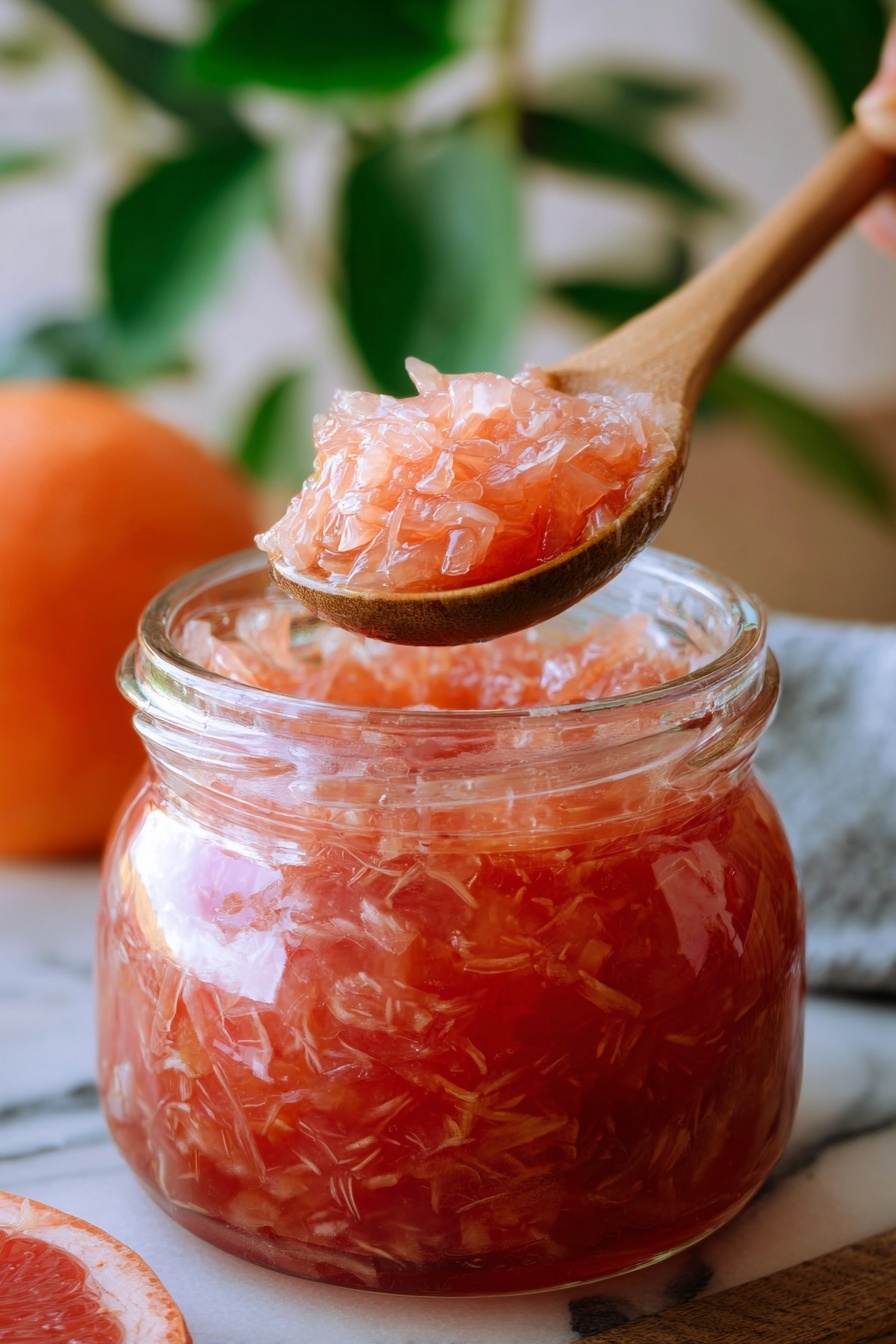
If you adore bright, tangy flavors balanced with natural sweetness, then this Grapefruit Honey Cheong Syrup Recipe is an absolute kitchen must-have. I promise, once you try making this vibrant, syrupy concoction at home, you’ll keep coming back for more. It’s perfect for adding a punch of zesty goodness to teas, cocktails, or simply drizzling over your morning yogurt. Trust me, it’s fan-freaking-tastic and also surprisingly easy to make!
Why You’ll Love This Recipe
- Bright & Refreshing: The tangy grapefruit flavor perfectly balances the natural sweetness of honey and sugar.
- Easy to Make at Home: Just a few simple steps and ingredients, no fancy equipment needed.
- Versatile Syrup: Use it in drinks, desserts, marinades—you name it!
- Long Shelf Life: Keeps well refrigerated for months, so you can enjoy it whenever inspiration strikes.

Ingredients You’ll Need
Each ingredient here plays an essential role in creating this tangy-sweet masterpiece. I love using turbinado sugar because it adds a subtle molasses depth, but if you prefer, plain white sugar works just fine. And good-quality honey is an absolute must—it gives the cheong that rich, mellow sweetness.
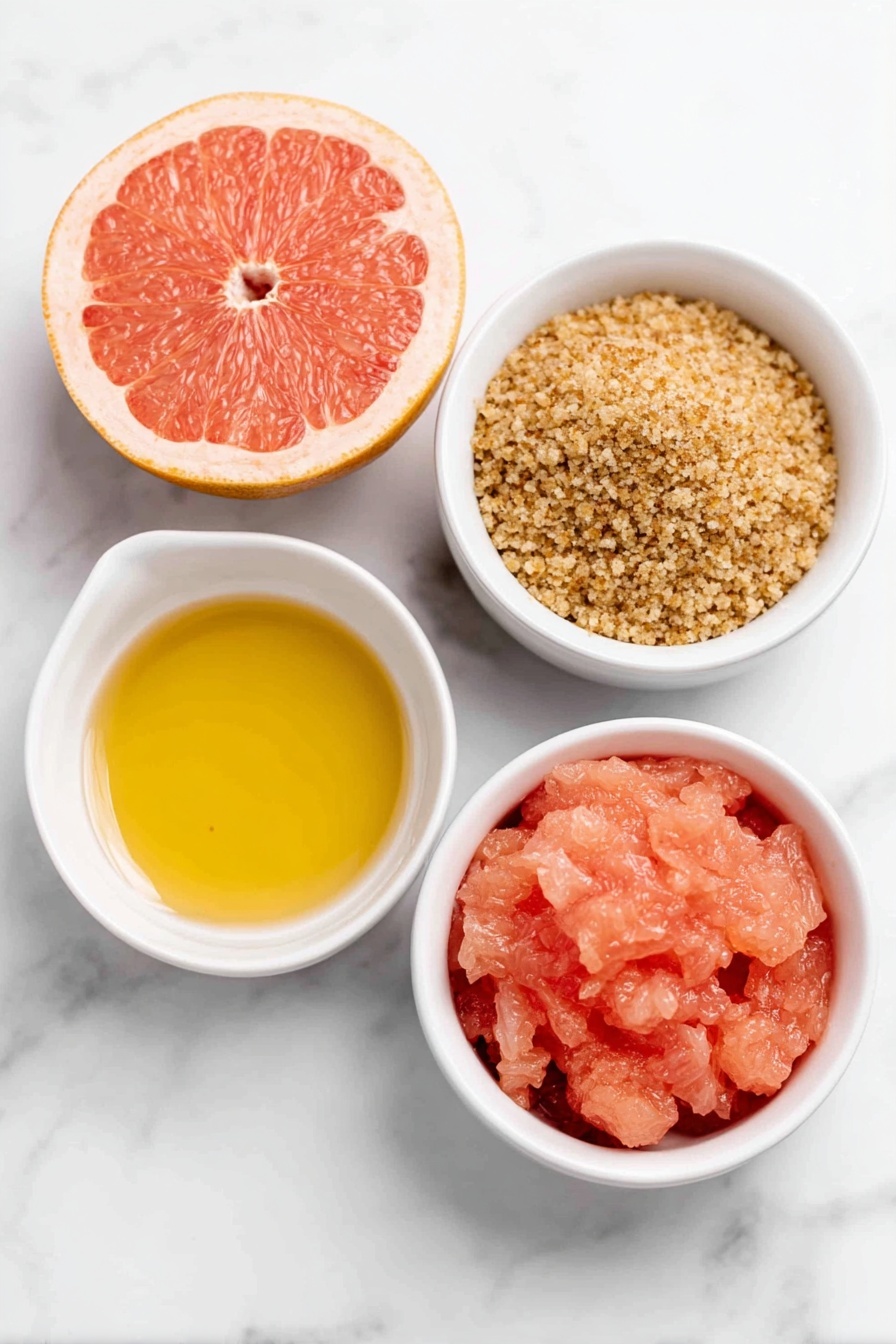
- Grapefruits: Fresh and ripe ones pack the most aromatic punch and juicy pulp.
- Honey: Go for raw or mild-flavored honey so it doesn’t overpower the grapefruit.
- Turbinado sugar: Adds a slight caramel note and helps balance the tartness beautifully.
Variations
I’m all about making recipes your own, and this Grapefruit Honey Cheong Syrup is no exception. Sometimes, I tweak the ratio of honey to sugar, or even swap the grapefruit for other citrus fruits—like oranges or pomelos—depending on the season and my craving. Feel free to experiment!
- All Honey Version: I sometimes use only honey for a smoother, more floral syrup. It’s a bit less granular but just as flavorful.
- Using Different Citrus: Swapping grapefruit for blood oranges or lemons gives a fun twist—great if you want something a bit less bitter.
- Herb Infusion: Adding a few sprigs of rosemary or thyme during the mixing phase adds an unexpected herbal depth I adore.
- Spicy Kick: Try a piece of sliced ginger or a chili flake for a playful heat contrast with the sweet and sour.
How to Make Grapefruit Honey Cheong Syrup Recipe
Step 1: Carefully Peel and Prep the Grapefruit
Start by peeling your grapefruits thoroughly, taking extra care to remove as much of the bitter white pith as possible. When I first tried this, I underestimated the pith’s bitterness, and it made the syrup a little harsh. So, I learned it’s worth a bit of patience here! After that, peel off the thin membrane surrounding each juicy segment and remove any seeds you find. This part is a bit fiddly but crucial for that smooth syrup texture.
Step 2: Mix in Honey and Turbinado Sugar
Once your grapefruit pulp is ready, add the honey and sugar in roughly equal parts. I love doing half honey, half turbinado sugar because it balances sweetness and adds a little caramel nuance from the sugar. You can totally switch it up if you want just honey or just sugar—the main rule is to keep the grapefruit to sweetener ratio 1:1 by weight.
Step 3: Break Apart the Pulp & Squeeze Out the Juice
This step makes a huge difference. I wear gloves and use my hands to gently squeeze and crumble the grapefruit pulp, helping to release both juice and flavor more quickly. Trust me, it’s way better than just stirring! Breaking everything down like this speeds up the syrup-making process and incorporates all the layers of texture and taste.
Step 4: Store and Let the Syrup Mature
Transfer your grapefruit honey cheong to a clean, airtight glass jar. I always make sure the jar and lid are super sanitized so the syrup can last longer. While you can use it right away, letting it sit in the fridge for about a week really deepens the flavors and mellows any lingering bitterness. It’ll keep fresh in the fridge for up to three months—perfect for prepping ahead!
Pro Tips for Making Grapefruit Honey Cheong Syrup Recipe
- Remove the Pith Thoroughly: I learned the hard way that leftover pith makes the syrup bitter, so scrape it off patiently before mixing.
- Use Gloves When Handling Pulp: The citrus can be harsh on your skin, plus gloves help you squeeze the pulp more confidently without getting sticky fingers!
- Adjust Sweetness to Your Taste: If you like your syrup more tart, reduce sugar slightly, or add a touch more honey for a delicate floral tone.
- Store in Glass Jars Only: Plastic containers can absorb flavor and may discolor the syrup; glass is best to preserve freshness and color.
How to Serve Grapefruit Honey Cheong Syrup Recipe
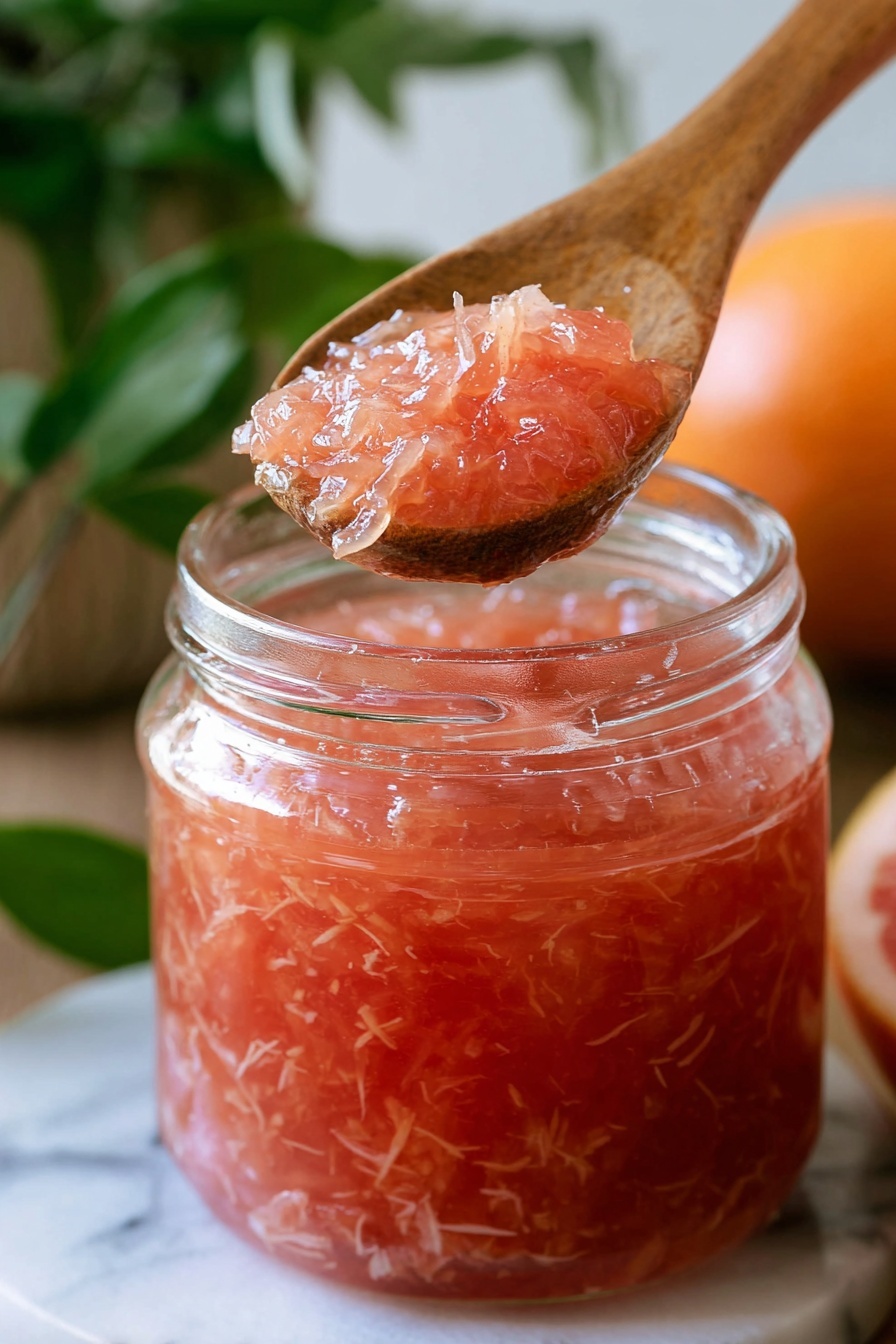
Garnishes
I love garnishing drinks or desserts made with this syrup using thin grapefruit slices or a sprig of mint. The citrus slices not only look beautiful but reinforce the grapefruit flavor, while fresh mint adds a cooling touch that keeps the overall palate refreshing and fun.
Side Dishes
When I’m serving this cheong syrup, I often pair it with light, crisp foods. Fresh salads with citrus vinaigrette, yogurt parfaits with granola, or even grilled chicken marinades work wonderfully. I especially like how Asian-style steamed buns or seafood dishes and glazes take on a new dimension with this syrup.
Creative Ways to Present
For special occasions, I’ve poured the grapefruit honey cheong syrup over homemade ice cream or used it as a glaze on pound cakes. Another favorite is stirring it into sparkling water with fresh herbs for a stunning, fizzy summer mocktail. Presentation-wise, serving it in decorative glass bottles with handwritten labels makes it a great DIY gift!
Make Ahead and Storage
Storing Leftovers
Once sealed in a sanitized glass jar and kept refrigerated, this grapefruit honey cheong can last up to three months. I always keep mine near the front of the fridge so I remember to use it often. Just give the jar a quick stir before using as some natural settling may occur.
Freezing
I haven’t personally frozen grapefruit honey cheong syrup because I prefer the fresh zing it keeps when cold-stored. If you do freeze it, expect some texture changes when thawed, so I recommend freezing smaller portions in ice cube trays for easy use in drinks.
Reheating
You don’t really need to reheat this syrup since it tastes great straight from the fridge. However, if you want a warm drink, adding a spoonful directly to hot tea works wonderfully. Just stir well and enjoy the bright, comforting flavor.
FAQs
-
What exactly is cheong syrup?
Cheong syrup is a traditional Korean fruit or herbal syrup made by fermenting or macerating fruit with sugar and honey. It’s used as a sweetener and flavor enhancer in teas, cocktails, and desserts.
-
Can I use other sweeteners instead of honey or turbinado sugar?
Absolutely! While honey and turbinado sugar offer unique flavor notes, you can experiment with maple syrup, agave, or even white sugar. Just keep the overall ratio consistent to maintain the right syrup texture.
-
How do I know when my grapefruit honey cheong syrup is ready to use?
You can use it right away, but I recommend letting it rest in the fridge for about a week. This waiting time allows the flavors to marry and mellow out, reducing any sharp grapefruit bitterness.
-
Is this syrup safe to keep for months?
Yes, when stored properly in sanitized glass containers in the refrigerator, it can last for up to three months. Just make sure to check for any off smells or mold before using.
Final Thoughts
I absolutely love how this Grapefruit Honey Cheong Syrup brightens up so many dishes and drinks with minimal effort. When I first tried making cheong, I was surprised by how transformative it was in elevating simple recipes. Life’s too short for boring sweeteners—give this syrup a try and savor that perfect balance of tang and sweetness. You’ll be dipping into the jar daily, just like my family does!
Print
Grapefruit Honey Cheong Syrup Recipe
- Prep Time: 30 minutes
- Cook Time: 0 minutes
- Total Time: 30 minutes
- Yield: About 2 lbs (32 oz) of grapefruit honey cheong
- Category: Condiment
- Method: No-Cook
- Cuisine: Korean
- Diet: Halal
Description
Grapefruit Honey Cheong is a sweet and tangy Korean-style fruit syrup made by combining fresh grapefruit pulp with honey and turbinado sugar. This versatile syrup can be used as a refreshing base for drinks, a topping for desserts, or a flavorful ingredient in various dishes. With its natural citrus zing and balanced sweetness, it’s a delightful homemade treat that’s easy to prepare and store.
Ingredients
Fruits
- 2 grapefruits
Sweeteners
- 1/2 lb honey
- 1/2 lb turbinado sugar (or white sugar, turbinado preferred)
Instructions
- Peel the grapefruit: Carefully remove the skin of the grapefruits, ensuring most of the white pith is taken off to avoid bitterness.
- Remove membranes and seeds: Peel off the thin skin or membrane around each pulp segment and remove any grapefruit seeds to prepare clean pulp.
- Add honey and sugar: Combine the grapefruit pulp with 1/2 lb honey and 1/2 lb turbinado sugar. You may adjust the sweeteners but keep the total sweetener to grapefruit ratio 1:1 for balanced flavor.
- Mix and break pulp: Use your hands (wear gloves) to mix and gently squeeze the pulp to release juice and integrate the sweeteners evenly, breaking the pulp into smaller pieces for faster maceration.
- Store properly: Transfer the mixture to a sanitized, airtight glass container. Refrigerate for at least 1 week for best flavor development, though it can be used immediately. The syrup will keep for up to 3 months in the fridge.
Notes
- Using turbinado sugar enhances flavor compared to regular white sugar.
- Ratio of grapefruit to sweeteners is important; a 1:1 ratio ensures optimal sweetness and tartness.
- Wear gloves when handling the fruit pulp to protect your hands and aid in juicing.
- Cheong can be used as a base for beverages, desserts, or marinades.
- Store in a glass container to preserve flavor and avoid contamination.
Nutrition
- Serving Size: 2 tablespoons (approx. 30g)
- Calories: 80
- Sugar: 18g
- Sodium: 1mg
- Fat: 0g
- Saturated Fat: 0g
- Unsaturated Fat: 0g
- Trans Fat: 0g
- Carbohydrates: 21g
- Fiber: 1g
- Protein: 0.2g
- Cholesterol: 0mg